
-horiz%20(1).jpg)
We may be in an era dominated by algorithms and digital footprints, but brand equity is still being built on the sales floor. In the independent footwear, channel, where service, expertise and product knowledge are on display alongside top-tier products, the value of strong partnerships between brands and retailers is as vital as ever. Here, execs from 15 different brands — all of whom were highlighted to us by retailers as being strong supporters of the independent channel — share their thoughts on business strategy and how cultivating partnerships with independent accounts is mutually beneficial.
.jpg)
Why Strong Partnerships with Independent Retailers Are Vital for Brands
We asked execs why it is so important to their brand’s overall business strategy and market presence to be committed to the independent retail channel. Here’s some of what they told us…
“These retailers are market leaders. They run nimble businesses that allow them to react quickly to the latest trends in design, technology and consumer demand. Because Topo is a brand built around our unique fit, staff education and ‘sit and fit’ service are an essential piece of telling our story. Consumers are far more likely to stay loyal to a brand recommended by a knowledgeable staff member. This trust drives retention and builds lifelong customers.” — Ashleigh Cook, US sales director,
Topo Athletic
“It’s not just a sales channel; it’s our most powerful marketing tool. The comfort genre is subjective and physical. Unlike fashion-first footwear that relies solely on appeal, comfort shoes require physical validation, education, and independent sit-and-fit stores. These are the ultimate gatekeepers.” — Rich Rask, president, Rieker Shoe Corp.
“Our local retail partnerships are paramount. These retailers are often the first place runners go for trusted advice, personalized fitting, and community connection, making them incredibly important ambassadors for both the sport and the Brooks brand. Beyond selling product, specialty retailers help grow the sport itself. Their expertise, authenticity, and connection to their local markets make them an essential part of our growth strategy.”— Rick Wilhelm, VP, US specialty retail accounts, Brooks Running
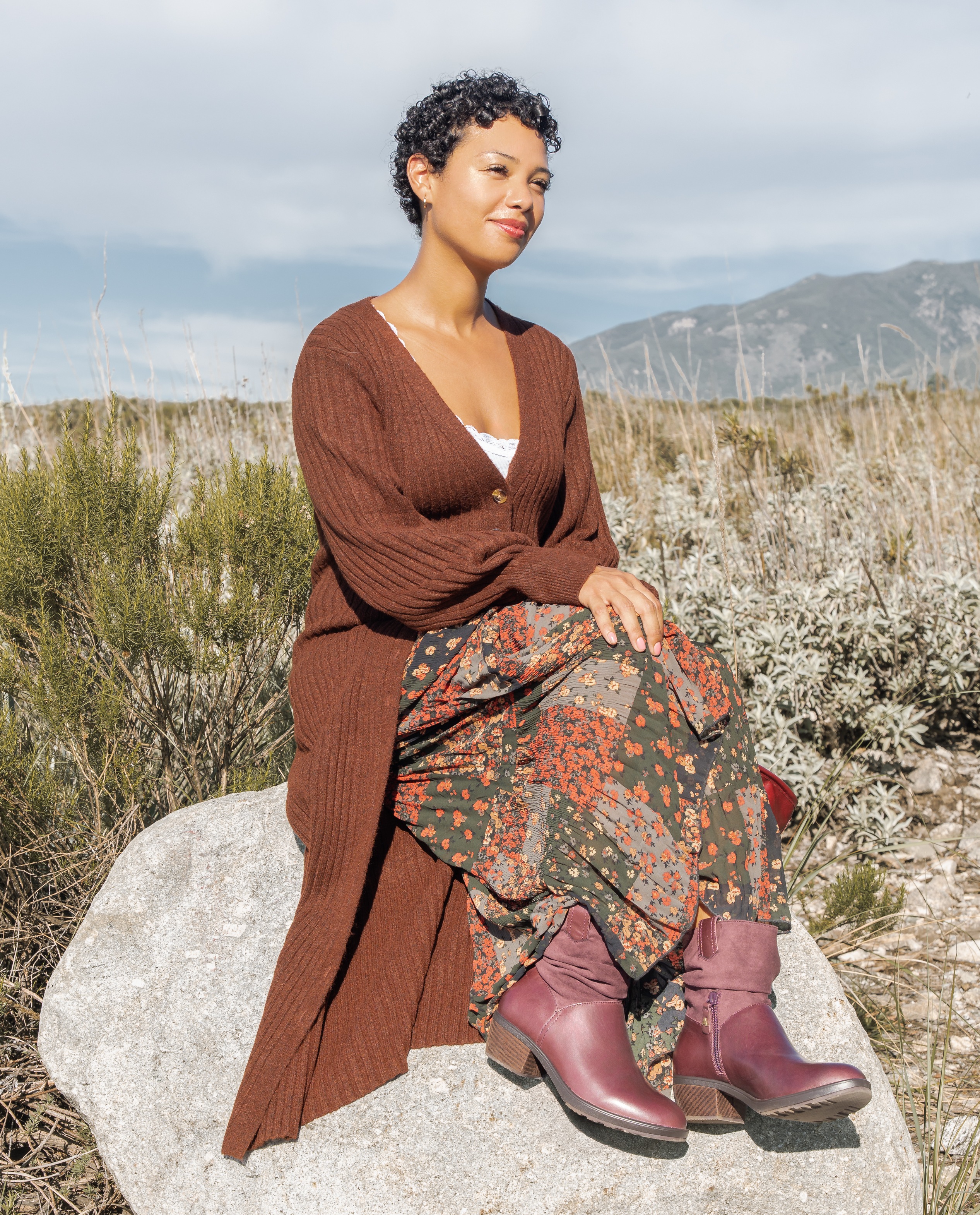
“Independent retailers have always been at the core of Alegria and remain some of our strongest supporters. We recognize that long-term success takes a true partnership, and our goal isn’t simply to be a good vendor—we want to be a great partner who supports their business from the floor up. Whether we’re developing new sales tools, marketing programs, product education, or in-store support, one question is always top of mind: How can we help our independent retailers drive more sales and build a stronger business?”— Paul Vazquez, president of sales, Alegria
“Supporting independent retail is the backbone of everything we create — from our products to the way we communicate and the sales programs we build. A healthy ‘Main Street’ is essential, not just to our industry, but to our nation and every community. Independent retailers are the ones sponsoring local charities, sports clubs, up-and-coming athletes, Rotary clubs, and other service organizations. When we support our retailers, we’re giving them the ability to keep supporting the communities that depend on them.”— Jennifer Hazard, national sales manager, OS1st
“Independent retailers are critical because they bring deep product knowledge, local market expertise, and strong customer relationships to the footwear buying experience. Many workers rely on trusted local retailers for guidance on selecting the right safety, occupational, tactical, or uniform footwear for their specific job requirements. These retailers help us connect directly with end users, understand evolving workplace needs, and ensure customers find the best solution for comfort, performance, and protection.”— Sam Sproull, brand marketing manager, Warson Brands
“We fully count on the retailer to have an adequately trained sales staff that cares enough to ask open ended questions so we can better serve the customer. At Xelero it’s not about just selling the brand in, but selling the brand through. That comes with tech training, medical nights, follow up store visits etc. [Retail staff] are Brand Ambassadors for Xelero on the selling floor.”— Michael Arce, national sales manager, Xelero
“Independent retailers have been part of Altra’s DNA from the beginning. We were born in the back of a running store, so we have a real appreciation for the role specialty retailers play as trusted advisors and community hubs. As we grow, those relationships become even more important. Specialty retail is the pinnacle channel of distribution and the trusted experts in their communities.
Altra has a distinct point of view on footwear, and sometimes you need to put the shoe on someone’s foot to really understand it. A great retailer can make that introduction, explain what makes the product different and help someone find the right shoe for how they run. Independent retailers help us build trust with runners at a very local, very human level.” — Jen McLaren, global brand president, Altra Running
“They aren’t just a distribution channel for us; independent retailers are the community hubs where runners discover what ‘meant to move’ means—and where our customers initially discovered Feetures. Our mission is to help people in motion perform their best, and that mission is realized at the store level, in the conversation between a retailer and a customer — not in a warehouse or an ad.” — Liz Carter, VP sales, Feetures
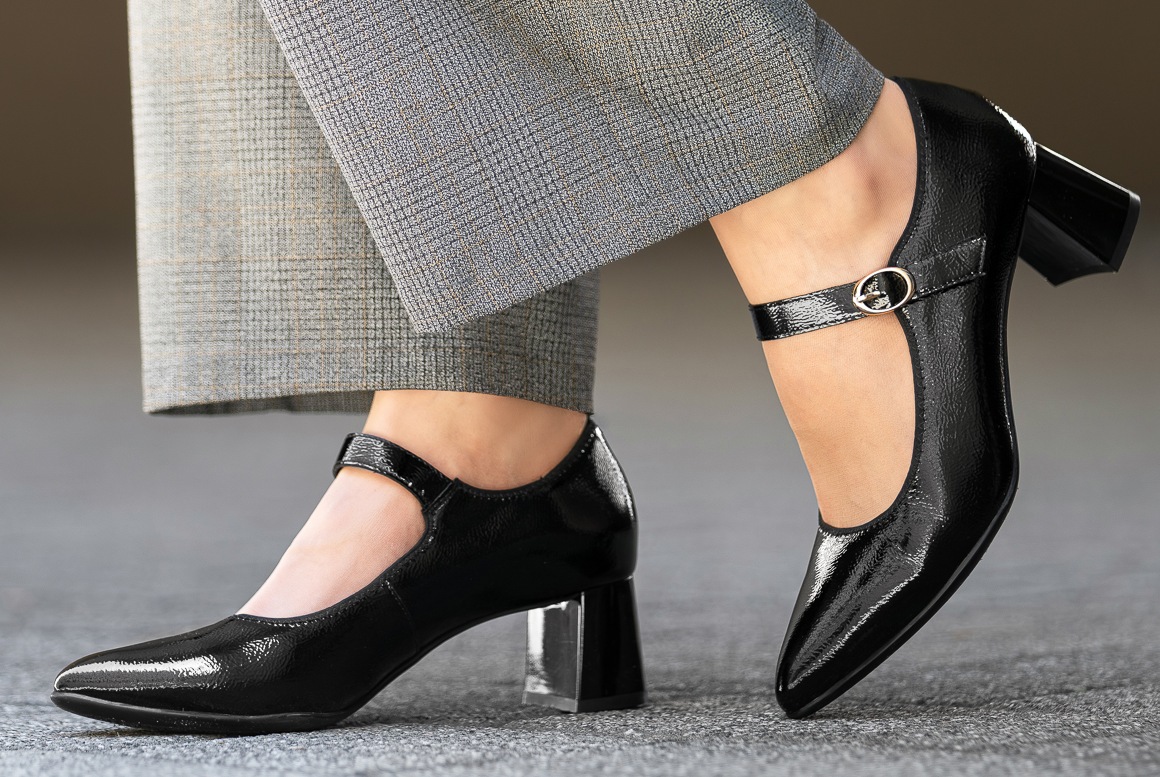
“At the heart of any business are the partners who take the time and interest to get to know a brand. For ara that has always been the independent retailer since we came to America in 1998. They bring deep product knowledge, trusted relationships, and a level of personal service that helps consumers understand the craftsmanship, fit, and comfort behind our footwear. Their local insight also keeps us closely connected to what women are looking for in real time. By investing in these partnerships, we strengthen ara’s presence in communities across North America while building the kind of long-term, sustainable growth that benefits both our brand and our retail partners.” — Sam Spears, president, ara North America
“Independent retailers are incredibly important to our brand because they bring a high level of product knowledge, customer understanding and personal service; otherwise, we’re just another product on a shelf. They’re also true brand ambassadors in their communities. When an independent retailer believes in our product and understands our story, that enthusiasm gets passed directly to the consumer.” — John Hinds, founder and owner, Cadence Insoles
“They provide something that is increasingly difficult to replicate in today’s retail environment: trusted, personalized expertise. We have built our brands on the reputation around helping people find the right solution for their foot health and comfort needs, and independent retailers are often well positioned to deliver that experience. Their ability to know their customers, understand their needs and make thoughtful product recommendations creates a level of trust that goes well beyond a transaction.”— Jay Cain, senior director of sales, Foundation Wellness

“Our retail partners create unique connections with their customers. That connection fosters a level of trust which enables them to present Finn Comfort footwear as one of the best walking shoes their customers can experience. Our footwear is produced in our own factory in Germany, using premium materials and premium craftsmanship. Those qualities command a high price point that requires both fitting and selling expertise on the fitting stool. That expertise only exists with the best independent footwear retailers. Our hope is that this relationship continues to be a reciprocal one.” — Justin Orrell-Jones, president/CEO, Finn Comfort USA
“Independent retailers have always been an important part of the Taos story because great footwear and great service complement each other. We make shoes with a lot going on beneath the surface and a knowledgeable independent retailer can help a customer understand and experience that difference in a way that is difficult to replicate anywhere else. We also believe healthy local retail is good for communities and ultimately good for consumers. There’s real value in being able to walk into a store, talk with someone who knows footwear and feet, try on several options and leave with a shoe that’s right for you. That’s not nostalgia for traditional retail; it’s a genuinely valuable service.”— Mike Walker, VP of marketing, Taos Footwear
“Independent retailers are the backbone of a comfort footwear brand’s credibility. Consumers dealing with foot health issues, standing all day for work, or simply prioritizing fit over short-term fashion trends, need a knowledgeable fitter, not just a shelf or brief bullet points describing features and benefits. That’s something a big-box store or an algorithm can’t replicate… Beyond the sell-through, independents tell us what’s working before the data catches up, and their in-store advocacy carries more weight with a skeptical comfort-shoe buyer than any ad campaign. A strong indie network also protects our market presence — it keeps us anchored in communities nationwide, not just dependent on a handful of large accounts that can pull back overnight.” — Liam Bourke, EVP/GM, The Comfort Co
How Does Independent Retail Fit into the Overall Omnichannel & Distribution Strategy for these Brands?
With direct-to-consumer sales and online discounting being a major pain point for retailers, brand execs tell us where and how the independents fit into their overarching distribution strategies.
"A successful omnichannel strategy needs to support the consumer while also protecting the retailers who have invested in our brand. That’s why we maintain one of the strongest MAP policies in the industry. We want our independent partners to have a fair and competitive playing field and the opportunity to profitably grow their Alegria business.”— Paul Vazquez, Alegria
“Independent specialty is the focus of our entire strategy… it’s our top priority. Other channels play a complementary role, building brand awareness that drives consumers toward specialty retailers for that expert guidance. This concentration on specialty is central to how we grow the brand.”— Jennifer Hazard, OS1st
.jpg)
“Specialty retail is the foundation of our omnichannel strategy. Every other channel, including our own website, is built to reinforce it, not compete with it. We’re disciplined with inventory management, pricing strategy, and distribution decisions. The term ‘Retailer-first’ is often used at Topo HQ; many decisions we make center around the question: Is this good for our specialty retail partnerships?”— Ashleigh Cook, Topo Athletic
“Our partnership with independent retailers is a core strength we protect and build from, while we grow other channels like our DTC and e-commerce business. Independent retail isn’t competing with our digital and DTC efforts—it’s the anchor our flywheel turns on. We know our products sell themselves once you get them in your hands and on your feet, so that in-store experience with staff that know and love Feetures is critical.”— Liz Carter, Feetures
“Independent retailers are the core of our distribution strategy. Roughly 98% of our sales are through wholesale, so the majority of our time is focused on supporting our retail partners and helping them grow their business with our products. Our DTC business is intentionally a fraction of the big picture and used more as a way for consumers to learn about our products and provide the ability to purchase if/when they don’t have access to one of our retail partners. Our goal is never to compete with our independent retailers. We believe our resources are best spent helping our retail partners succeed.”— John Hinds, Cadence Insoles
“Independent retail isn’t just another channel for Brooks. It’s where our brand comes to life. These retailers are often the first people to welcome someone into the sport, whether they’re training for a marathon, joining a run club, or buying their very first pair of running shoes. They provide an experience that’s incredibly difficult to replicate elsewhere: expert fitting, trusted advice, community, and a genuine passion for helping people run… We are deeply committed to multi-channel distribution and continue to partner with the best run retailers in the world.” — Rick Wilhelm, Brooks
“Independents are the ‘expert layer’ of our omnichannel approach. Our strategy breaks down as: independents for expert fitting and brand credibility and online channels for reach and convenience. Each channel plays a distinct role rather than competing for the same customer. We protect indie margins and territory and use our online presence to drive customers to their nearest independent retailer when a fitting is genuinely valuable — rather than positioning e-commerce as a replacement for in-store expertise. We try to align pricing and promotional cadence across channels, so an independent never feels undercut by their own supplier.”— Liam Bourke, The Comfort Co
.jpg)
“We view independent retailers as an important part of a broader omnichannel strategy, not as a separate channel operating in isolation.
Consumers today move between channels. They may discover a product online, visit a local retailer to get advice, and ultimately purchase in whichever environment gives them the best combination of confidence, convenience, and value. Our job is to make that journey seamless by maintaining a consistent brand experience while protecting the value of the brand… Our goal isn’t for every channel to look the same. It’s to make sure the channels complement one another, while protecting the value of the brand and creating a consistent consumer experience regardless of where that consumer engages with PowerStep and Currex.”— Jay Cain, Foundation Wellness
“We think about each channel as having a different job to do. Our DTC business lets us tell the full Altra story and have a direct relationship with the consumer. Larger retail partners give us reach and introduce the brand to new audiences. Independent specialty gives us depth: expertise, trial, credibility and connection to local running communities. We don’t need every channel to look the same… As awareness grows, we’re being disciplined about distribution because we want our growth to strengthen our position as a performance running brand, not dilute it. Independent retailers are at the center of our strategy.”— Jen McLaren, Altra Running
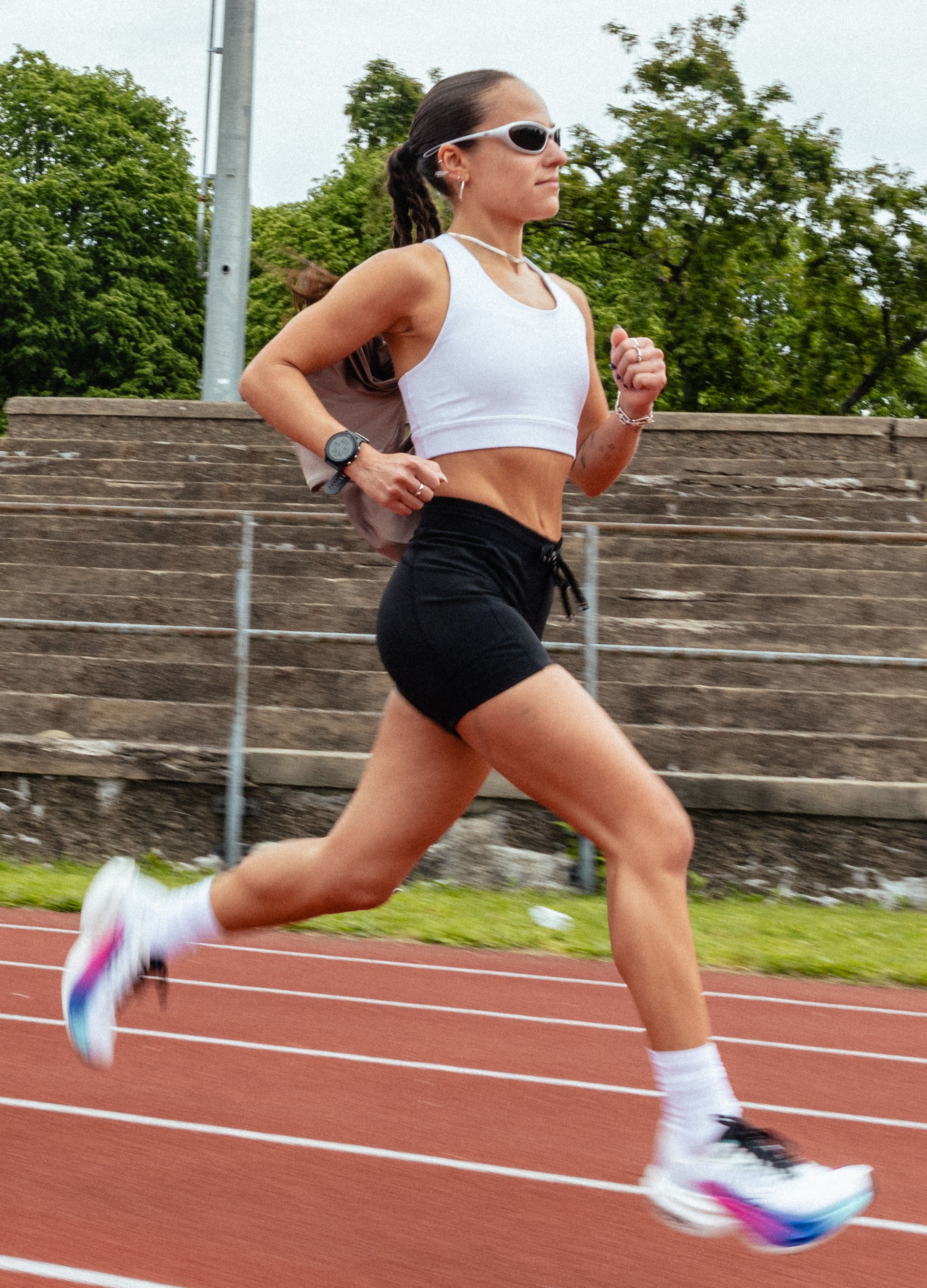
“Independent footwear retailers remain the primary means of distribution for Finn Comfort in the U.S. and continue to be an extremely important part of our business. The knowledgeable, service-oriented independent retailer is particularly well suited to our brand, where fit, comfort, quality and an understanding of the product are so important to the consumer experience.
At the same time, the independent footwear channel has evolved. We have seen some attrition as stores have closed or ownership has changed, and there are also many independent retailers that have chosen not to carry Finn Comfort because our price points are higher than much of the footwear they sell.
We recognize that Finn Comfort is not the right brand for every retailer. Our focus has therefore been on maintaining and developing relationships with independent retailers whose customers appreciate the quality, craftsmanship, comfort and longevity that justify the investment in our product. While shopping habits and the marketplace continue to evolve, the independent footwear retailer remains at the heart of our distribution strategy.”— Justin Orrell-Jones, Finn Comfort USA
“Independent retailers are an essential part of our omnichannel strategy because they offer something no digital platform can fully replicate: a knowledgeable, personal fitting experience and a genuine connection to the local customer. Our goal is for every channel to complement the others, not compete against each other. Digital touchpoints can build awareness and help consumers discover ara, while our retail partners bring the product to life through expert service, thoughtful assortments, and community relationships.
When all channels complement each other and work together, the customer receives a more consistent and rewarding ara experience.
When it comes to our own DTC site, we sell at MSRP, we offer all product that we sell on our site to retailers first, including ‘margin builders’ (close-outs) BEFORE we put it on our site.”— Sam Spears, ara North America
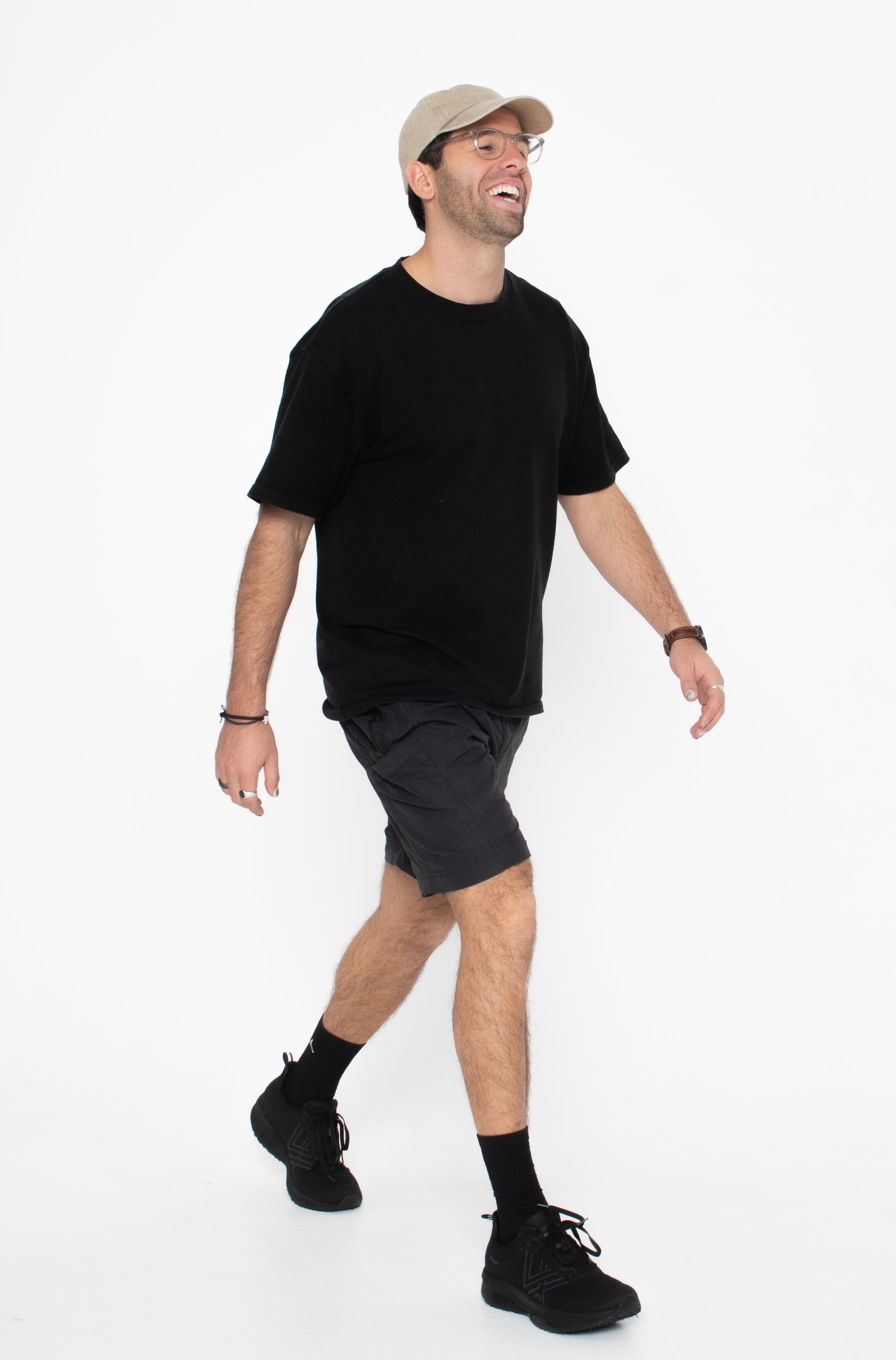
“Independent retail is an important part of our distribution strategy, and we see the different ways consumers engage with Taos as complementary, not competitive. Consumers don’t think in channels, they simply expect to find brands they trust where and how they prefer to shop. Our job is to build demand for Taos, maintain the integrity of the brand, and create a consistent experience wherever a customer encounters us.
We believe a strong brand should make good retailers stronger, and strong retailers - with their expertise, service and connection to their communities - make the brand better.”— Mike Walker, Taos Footwear
Defining the Core Values in a Good Brand and Retail Relationship.
In today’s retail landscape, what are the most important values a brand can focus on to build a truly great relationship with independent stores? Likewise, what can retailers do to help build a mutually beneficial relationship with their most supportive brands?
“Trust, communication, reliability, and inventory availability are the foundations of a successful partnership. Independent retailers need brand partners that not only provide great products but also maintain strong in-stock positions and dependable fulfillment. The ability to consistently supply inventory helps retailers capitalize on demand, avoid lost sales, and build trust with their customers.
Likewise, retailers play an important role in strengthening brand awareness and credibility. They help introduce consumers to brands and reinforce trust in the products they recommend. When retailers share customer feedback, market trends, and product insights, they become valuable partners in helping brands improve products and better serve end users.
The strongest relationships are built on transparency, responsiveness, and a shared commitment to long-term growth and customer success.”— Sam Sproull, Warson Brands
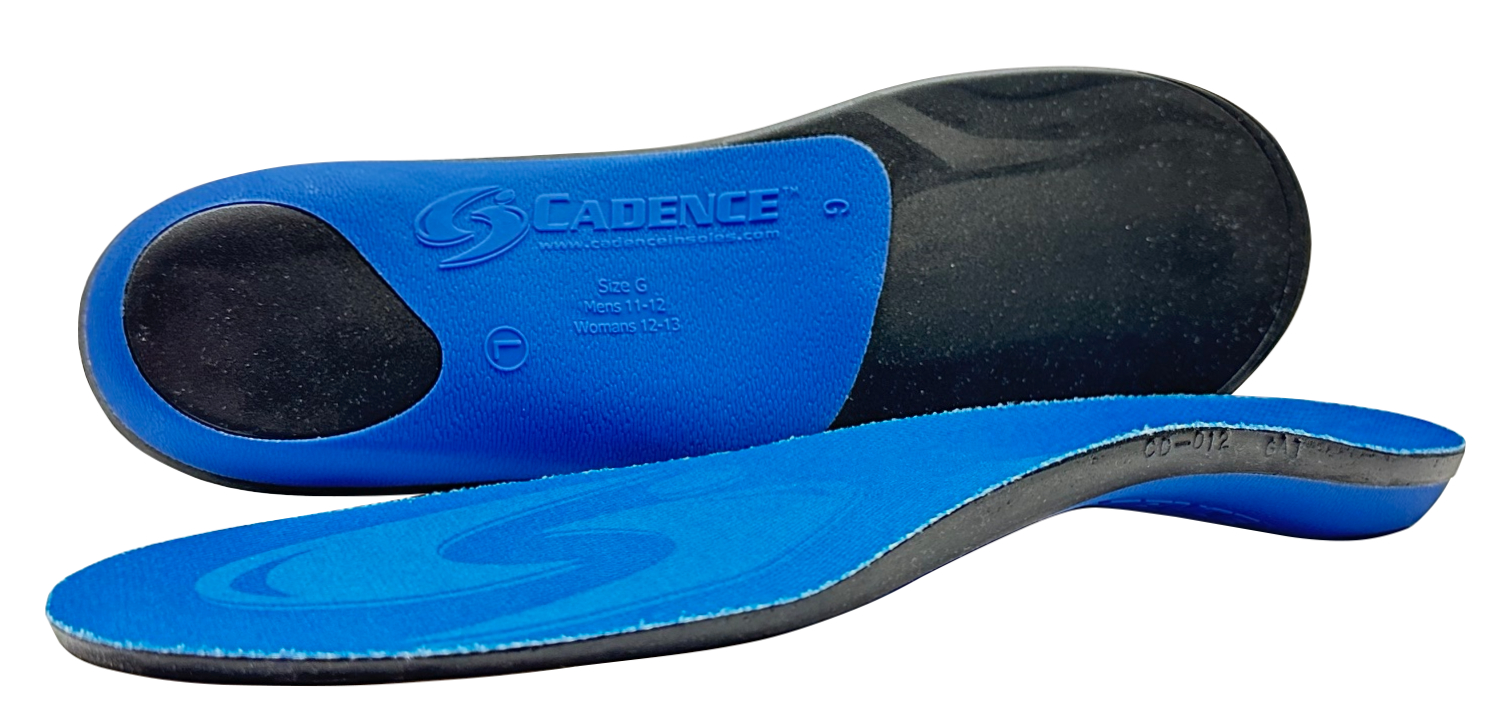
“Respect. We show it by listening to our retailers, adjusting where we can to benefit their customers, and delivering best-in-class product that doesn’t end up in a clearance bin every quarter. We get stronger when our retailers work with us — when they tell us what they need and where a gap in the market isn’t being served. And we show up for it: our leadership team and our rep force put our money where our mouth is.
On the flip side, retailers who say they want to work with brands that put independents first need to step up and support those brands in return. It has to go both ways.”— Jennifer Hazard, OS1st
“Communication, transparency and trust. Just listen.”— Rich Rask, Rieker Shoe Corp.
“The foundation of a great relationship with independent retailers is a genuine sense of partnership. That means open and honest communication, consistency, reliability and, perhaps most importantly, understanding that both the brand and the retailer have a responsibility for making the relationship successful.
From the brand side, we try to listen to our retailers, support them with the right products, with a solid stock program and both selling and marketing tools. We ultimately try to provide the level of service they need to take care of their customers. We also respect the investment they make in our brand and recognize that independent retailers have choices about where they put their time, inventory dollars and floor space.
From the retailer side, we value commitment to the brand. Finn Comfort is a product that requires knowledgeable salespeople… it takes time to build a solid Finn Comfort business, and we hope our retailers will encourage their sales staff to properly present our products to their customers.”— Justin Orrell-Jones, Finn Comfort USA
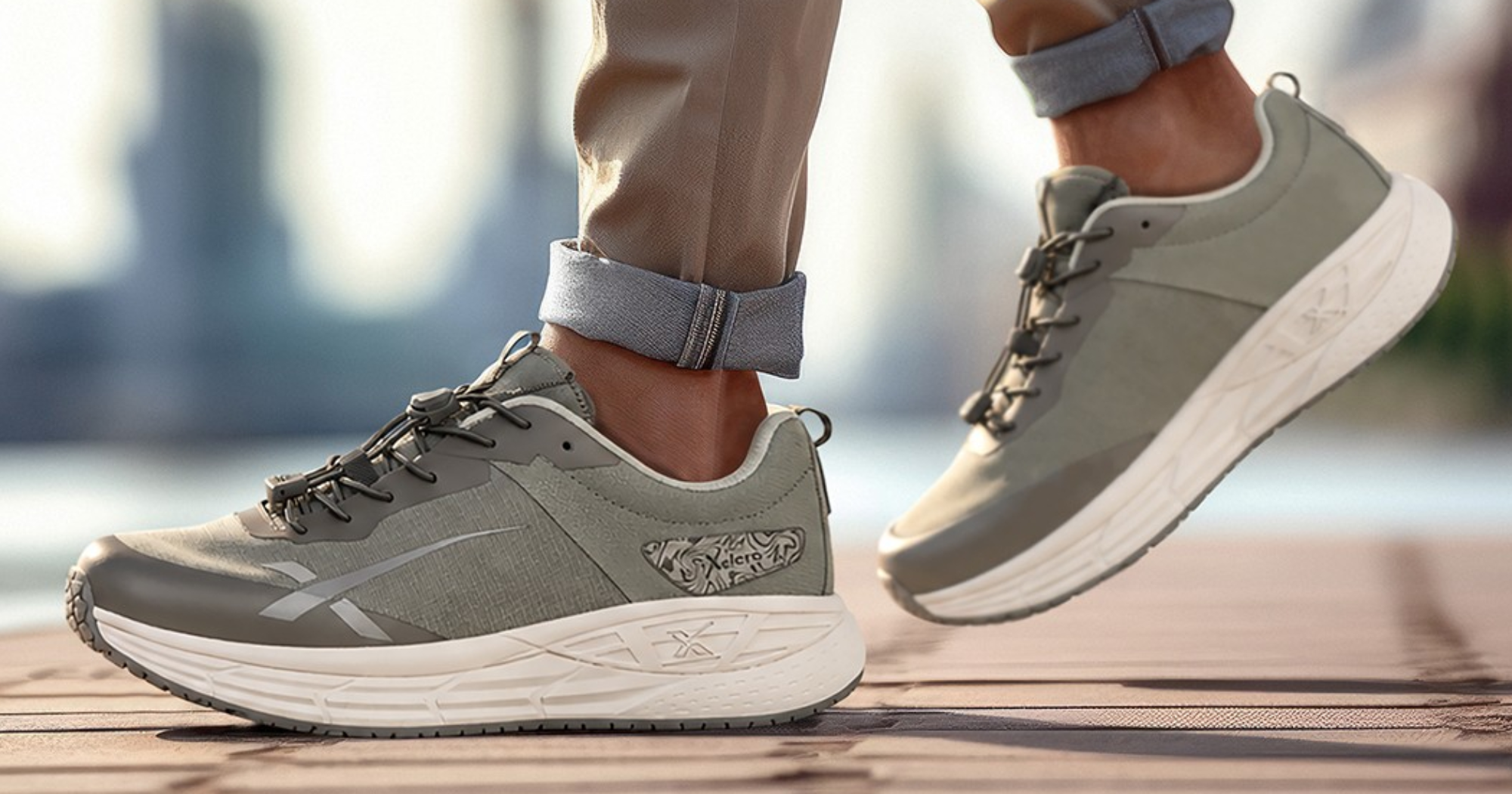
“The most important value a brand can offer is retailer profitability — how are you helping your retailers build a profitable business around your brand? 2026 market share data shows that Topo consistently ranks at the top for gross margin. Gross margin isn’t just about the size of your discount program; it’s about delivering maintained margin. How does the brand drive consumer demand? How frequently do you have markdowns that hurt maintained margin? How fast are you able to fill-in and increase turn? Is their product offered in too many channels that slow sales? Is the brand competing against their retailers through their own stores or website? At the end of the day, we deliver value to our retail partners with great fitting product, good sell through, and high maintained margins.” —Ashleigh Cook, Topo Athletic
“For me, it starts with communication—and more importantly, listening… Retailers want their vendors to listen and to understand what’s happening in their stores, what their customers are asking for, what’s working and where they need additional support. We may not always be able to deliver 100% of what a retailer asks for, but by listening and maintaining open communication, we give ourselves the opportunity to find solutions together.
That works both ways. The more frequently retailers and vendors communicate and share information, the better positioned both sides are to make decisions and ultimately build more successful businesses.”— Paul Vazquez, Alegria
“The foundation of any great partnership is trust. For brands, that means showing up consistently, communicating openly, and making decisions with the runner at the center. The strongest partnerships aren’t built during the easy seasons. They’re built over years of listening, learning, and working through challenges together with transparency and a long-term mindset.
For retailers, the most valuable partners are those who aren’t afraid to share what they’re hearing from runners and what they’re seeing on the sales floor. Some of our best ideas, products, and opportunities have been shaped by specialty retailers who know their communities better than anyone.” — Rick Wilhelm, Brooks
“Trust, consistency and honest communication centered on listening. Retailers are making real business decisions months in advance, so our responsibility goes well beyond shipping them product. We need to listen to how we can best support their business and community and then follow through on what we say we’re going to do; ultimately helping our specialty partners grow. That means creating consumer demand, giving store teams strong product education, supporting local activation and listening when something isn’t working. On the retailer side, candid feedback is incredibly valuable. Tell us what runners are asking for, where our story isn’t landing, what’s moving on the floor and what you need more of from us. The strongest partnerships are a two-way conversation and are built over years, not one season at a time.”— Jen McLaren, Altra Running
“If I had to pick one value: transparency. That means being upfront about inventory realities, honest about what’s selling and what isn’t, and consistent on pricing and terms — no favoritism toward bigger accounts at the expense of the smaller shop that’s been loyal for years. Trust compounds over time in this channel; one instance of a retailer finding out they got a worse deal than a competitor can undo years of goodwill.
From the retailer’s side, the most valuable things are engaged feedback and follow-through: telling us honestly what’s moving and what’s not, giving us visibility into their sell-through data, and actually working the product on the floor — proper merchandising, trained staff who know the comfort story, and timely pre-orders on new and carry over styles.”— Liam Bourke, The Comfort Co
“For us, the foundation of a great partnership is pretty simple: trust, consistency and mutual respect. Brands need to deliver great product, protect the integrity of the marketplace, communicate clearly and provide retailers tools to help them succeed. Retailers bring equally valuable expertise, local customer knowledge and candid feedback about what is actually happening on the selling floor. We’re better when we listen to and learn from each other.”— Mike Walker, Taos Footwear
.jpg)
“To me those values are trust, which is built through honesty and integrity, transparency, and responsiveness. Independent retailers need a brand that listens, communicates clearly, stands behind its product, and follows through on its commitments… I believe flexibility matters because every store and every market is different. Retailers strengthen a relationship by sharing candid feedback, communicating what they are seeing on the selling floor – both the good and the bad, and collaborating with us on product design and development, product assortment, and marketing opportunities. The best partnerships are two-way conversations built around a shared goal: serving the end consumer well.”— Sam Spears, ara North America
“It comes down to communication, consistency and trust. Independent retailers need to know that their brand partners will listen, follow through and be responsive when challenges arise. In return, the best retail partners are open and candid with us about what’s working, what isn’t, and what they’re hearing from their customers.”— John Hinds, Cadence Insoles
“We run on P.A.T.H. — Passion, Authenticity, Thoughtfulness, Humility — and those apply directly to how we show up for retailers. Authenticity means doing what we say and saying what we mean, especially on things like in-stock rates and on-time delivery. Thoughtfulness means caring as much about their business as our own. From retailers, the most valuable thing is honest feedback — the partners who tell us what’s actually working on the wall and what customers are saying make us better.”— Liz Carter, VP sales, Feetures
“It comes down to partnership, trust and accountability. Independent retailers need to know that when they invest in a brand, the brand is invested in them as well. That means bringing quality products to market, providing strong education and sales support, communicating openly, protecting the integrity of the brand and being responsive when challenges arise. Consistency is incredibly important. Retailers want to know that the brand they’re representing today will continue to support them tomorrow. We want to be a reliable partner that helps them grow their business, not simply a supplier looking for another purchase order.
The relationship also has to work both ways. Our best retail partners give us honest feedback, invest in product knowledge, merchandise the brand appropriately and focus on selling the product rather than simply treating it as another item on the shelf.”— Jay Cain, Foundation Wellness
Lessons Learned...
Brands tell us some of the most important things they’ve learned from their best retail partners to make their businesses better.
“Retailer feedback led us to redesign our packaging to be easier to read and understand. We also learned that customers weren’t always aware of who OS1st was as a brand — which is exactly why we’ve doubled down on staff education and promotional support. We believe an independent retailer’s job is to introduce customers to new and better products, and our job is to make that easy by creating socks people genuinely love having on their feet.”— Jennifer Hazard, OS1st
“We are constantly learning from our retail partners. One thing I learned earlier this year was that our retailers want more communication from Topo HQ. A 2026 sales initiative was to create more opportunities for touchpoints and discussion. We’re pre-lining more than ever, we’ve implemented quarterly Topo retail updates that consistently spark discussion and feedback, and I have an ‘open inbox’ policy for our entire network of wholesale partnerships. As usual, our sales team relays valuable feedback throughout the year, and now, retailers have a direct access to communicate with our internal team as well.”— Ashleigh Cook, Topo Athletic
“Every retailer is unique, and so is the market they serve. Geography, customer demographics, product assortment, marketing, and even how consumers shop can vary tremendously from one account to another. What works exceptionally well for one retailer may not work for another… The closer we work together and the better we understand their business, the greater opportunity we both have for success.”— Paul Vazquez, Alegria
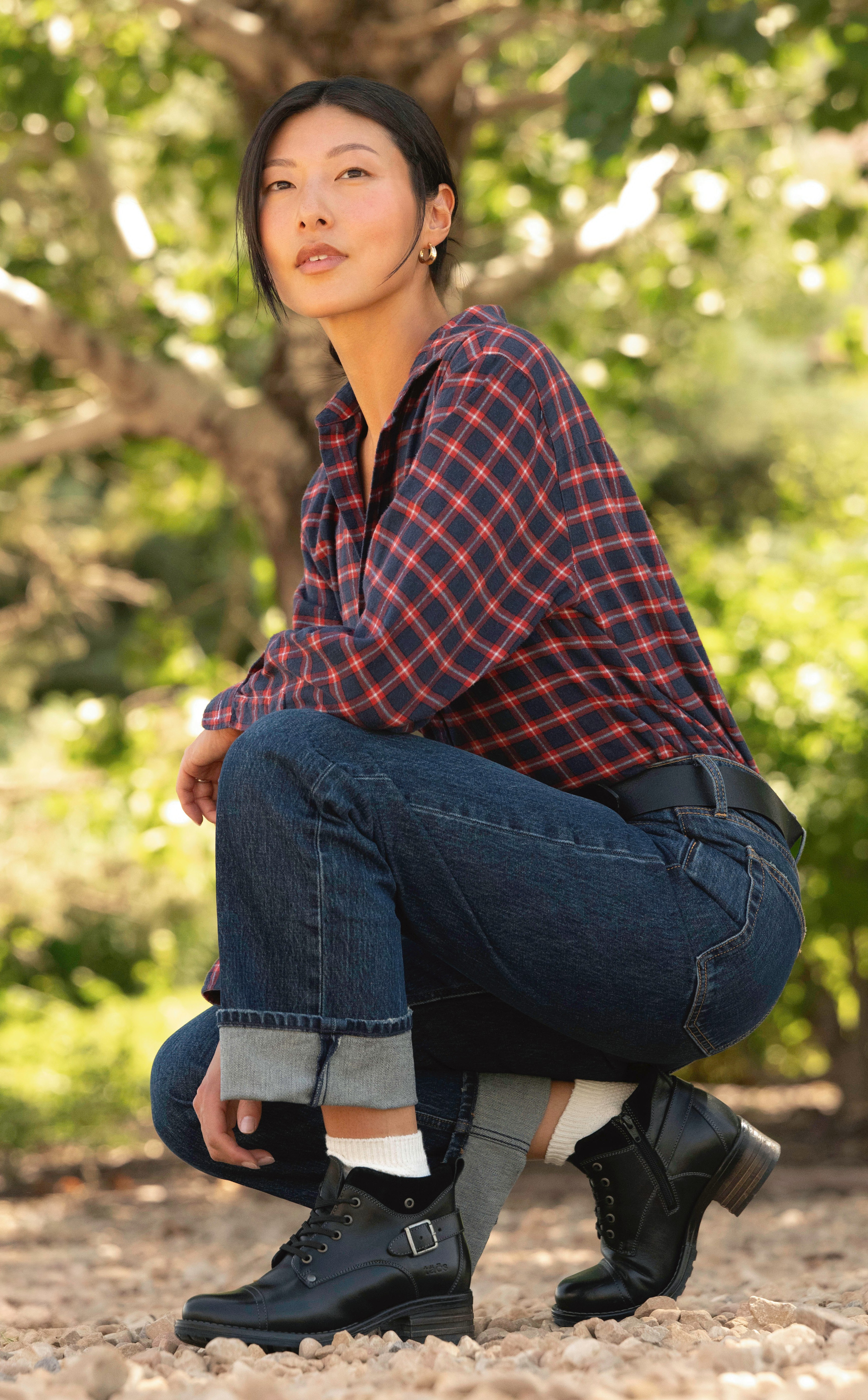
“Independent retailers help us understand changing workplace environments, emerging comfort and safety preferences, and regional market trends. Their feedback has influenced everything from product design and feature development to merchandising and inventory strategies. Listening to retailers keeps us connected to the needs of workers and helps us build better products.”— Sam Sproull, Warson Brands
“One of the biggest lessons is simply to listen closer. Retailers are talking to runners every single day. They often see changes in consumer behavior before those changes ever show up in a report. They hear the questions, the objections and the excitement firsthand.
Our best partners have pushed us to simplify how we tell our product story, think beyond the product launch itself and invest more in community and education. They’ve also reinforced something that’s important as Altra grows: bigger isn’t always better if you get there the wrong way. Building trust with the core running consumer and the people fitting them in stores creates a stronger foundation for long-term growth.”— Jen McLaren, Altra Running
“The best retailers know their customers better than anyone. They’re hearing questions, concerns, aspirations, and feedback every single day. Those insights help shape how we think about product, service, merchandising, storytelling, and consumer experience.
The most successful retailers understand the unique needs of their communities and create environments that make people want to come back. They’re not simply selling shoes. They’re creating belonging, accountability, friendship, and confidence through running. Watching how great specialty retailers build those communities continues to inspire how we think about the Brooks brand.” — Rick Wilhelm, Brooks
.jpg)
“The best product ideas and the earliest warning signs both come from the floor, not the boardroom. Our best partners have shaped everything from fit feedback to how we prioritize new launches.” —Liz Carter, Feetures
“Some of the most valuable product and merchandising feedback I’ve received has come from our retail partners. They know their customers and see how they interact with the product on the floor—what questions get asked, where confusion happens, and what drives conversion. That ground-level intelligence has helped shape product development, packaging, and how we communicate features and benefits.” — John Hinds, Cadence Insoles
“We’ve learned from our best retail partners that the people closest to the consumer often have the best ideas. They’ve taught us to listen more carefully to the questions consumers are asking, the objections they’re raising and the ways they actually shop for products. Those insights have influenced everything from how we train our sales teams to how we position products and communicate our value proposition. We’ve also learned that simplicity matters. Retailers don’t need more complexity—they need products that solve a clear consumer problem, an assortment that makes sense and the tools to confidently sell it. And our best partners have reinforced the importance of relationships. The strongest partnerships aren’t built around a single product launch or purchase order. They’re built over time through trust, transparency, shared goals and a willingness to have honest conversations.”— Jay Cain, Foundation Wellness
“Some of our best insights come from honest conversations with retailers. They see thousands of feet and have countless customer interactions. They provide valuable insight, and we’re listening.” — Mike Walker, Taos Footwear
“Our best retail partners continually remind us of the value of listening closely to the customer. Their feedback on fit, comfort, styling, color, and price gives us an invaluable view from the sales floor helps inform everything from product development to how we can best communicate the benefits of a shoe to their staff and to the consumer. They have taught us that success often comes from getting the details right: dependable service, timely communication, strong staff education, and an assortment tailored to the local market. Those insights make ara a better, more responsive partner.”— Sam Spears, ara North America
“The best partners have taught us that granular, honest feedback beats aggregate sales data every time. A great independent owner can tell you exactly why a shoe isn’t working — ‘the toe box runs narrow’ or ‘she loves the look, but the price point is too high for our town’ — in a way no dashboard will surface. That kind of ground-truth insight has directly shaped product and pricing decisions.”— Liam Bourke, The Comfort Co
“We lean on our retailers for trends, materials, and styles all the time. Their insight is crucial to us. A true partnership is where we can learn from each other and create an environment where we all win.”— Michael Arce, Xelero


.svg)