

.jpg)
All it takes is a quick look around any dugout, bleachers or family kitchen to see that team sports promotional products are everywhere, from drinkware and apparel to keychains, lanyards, tote bags, badges, awards and medals—just to name a few categories in a vast universe of customizable items. In 2026, the promotional products industry is on track to generate over $28 billion in annual revenue in the U.S. alone.
In addition to being powerful marketing tools, promotional products are popular and effective. Roughly 75 to 80 percent of consumers – especially parents of young players and fans of almost any team – own at least one branded item and keep useful pieces like apparel and drinkware for a year or longer.
The Advertising Specialty Institute (ASI), a technology, marketing and information provider in the promotional products industry, reports that a promotional product will generate an average of 3300 impressions over its lifetime, and the average cost-per-impression for a promotional item is 6/10 of a cent. In addition, 75 percent of U.S. consumers have a positive opinion of promotional products, a higher percentage than all other forms of advertising.
Do team dealers need more convincing? Okay, how about this:
• The Promotional Products Association International (PPAI), a non-profit trade association for the branded merchandise and promotional products industry, reports that 90 percent of people who receive a promotional product remember the brand name.
• Statistics also show that 83 percent of people are loyal to a brand they currently shop with that gives them a promotional product.
The upshot is that investing in a well-made promotional product can generate a lot of bang for the buck — these durable items stay with users for years, meaning people will keep seeing your (or your customer’s) brand over and over, ensuring that the brand stays top of mind.
“The demand for promotional products is growing quickly and on the team dealer side, the market is emerging,” Mark Gammon, senior VP of sales at PCNA, North America’s largest hardgoods supplier of promotional products, tells Team Insight. (The New Kensington, PA-based company also offers apparel, and boasts more than 60 brand partners.)
“Although some dealers are hesitant to jump in because they believe the process is complicated, it’s really not,” Gammon adds “Many clients are already buying promotional products and have found that it’s great for business — it’s easy to add a segment without adding a lot of complexity.”
Boost Margins and Loyalty
For team dealers, Nikki Stella, ASI’s Senior VP, Strategic Relationships and Initiatives, says, “Margins are strong on promotional items and these items are also a fantastic advertising medium. The product builds a connection between the dealer and the customer, and it builds huge customer loyalty.”
She adds, “It’s far more effective than just sending out an email or text — you can pair a promotional product with a QR code or email campaign, which allows you to track that data.”
Stella also notes that the possibilities are nearly limitless as to what types of products can be customized: “If you can dream it, it’s probably available.”
Gammon concurs: “Branded promo products are good for sales and it’s a natural progression for schools because they can buy through a team dealer rather than through another vendor.” He notes that the margin structures are similar to what dealers are already familiar with.
Expand Your Assortment
“Customers are coming into your store looking for items [or are interested in finding out what’s available for team and booster sales], so it pays to broaden the assortment of merchandise you’re offering,” says Zachary Cicconi, field sales manager at PCNA.
“Offering practical, usable items with brand logos increases perceived value and having more options available to consumers is good for business. In addition, such items help people feel connected to their athletic communities, and a customized logo helps them stand out.”
That said, Cicconi advises dealers to try to simplify choices.
“Find a few categories that work for your customers, focus on decorating and don’t overthink it.”
He adds, “Working with a direct supplier helps simplify the process by shortening lead times and eliminating the need for third parties. Figure out your customer’s goals and have a strategy in place. If your customers aren’t buying it from you, they’re buying it from someone else.”
Gammon points out that dealers are already gravitating towards promotional products, and his advice is to find a supplier that makes the process easy. “Don’t be afraid to get into the market. Customers are already buying the products There’s no hiding from the potential of promotional product sales — just open the door a little and give it a try.”
Choosing the Right Products
When selecting promotional items for sports, it’s vital to consider the specific activities and audiences involved, according to Brand New Promotions, which serves the North Texas area. For example, for youth sports teams items such as custom jerseys, water bottles and sports balls are not only functional, but help build team spirit while promoting your brand.
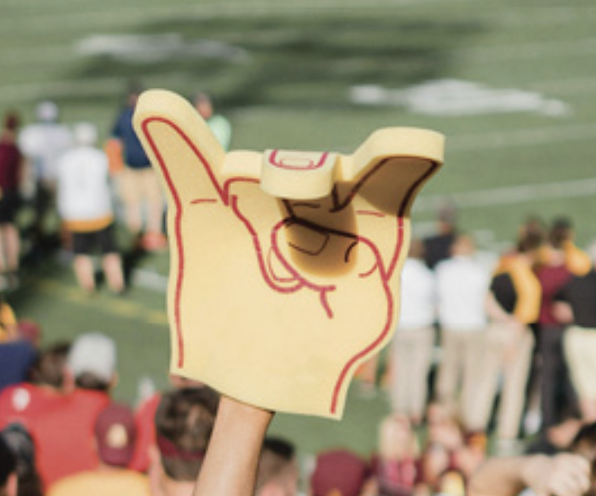
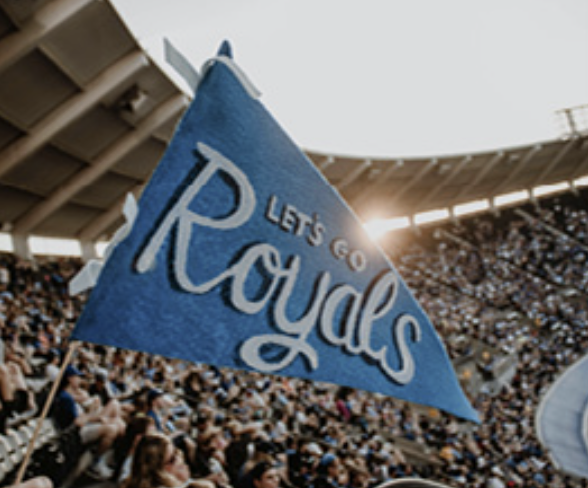
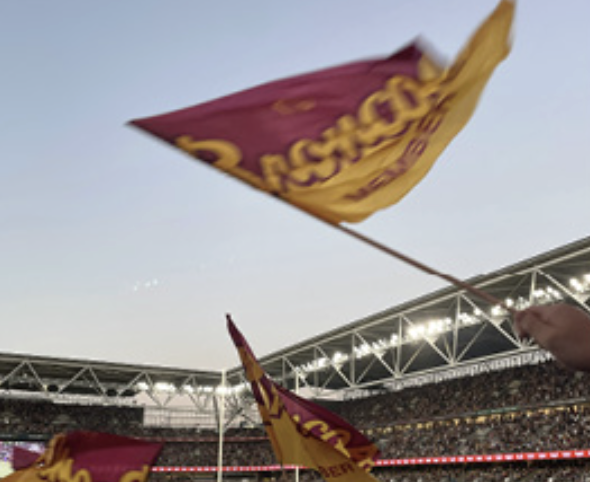
Incorporating fun accessories such as wristbands, colorful stickers and temporary tattoos can further enhance excitement among young athletes. Effective items for football events include foam fingers, seat cushions and team flags. For running and athletic events, items such as reusable water bottles and drawstring bags provide practical benefits.
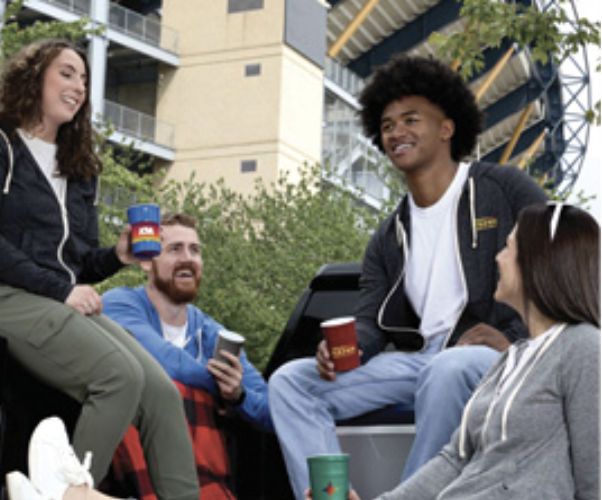
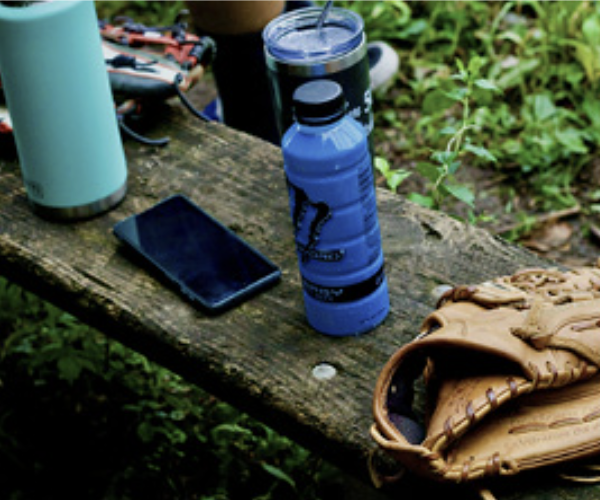
The company also suggests that when selecting fan gear, “consider practical items such as water bottles and coolers, which are both trendy and functional They keep fans hydrated while showcasing your brand prominently at games and gatherings. Additionally, offering reusable tote bags or scarves can further enhance visibility, making your brand synonymous with team spirit.”
Brand New Promotions also advises that when aiming for brand exposure, consider items that will be frequently used, such as tote bags, caps, and sports towels. “These products ensure your brand is seen regularly, whether at games or during workouts. Choosing high-quality items will make a lasting impression on your audience.”
PCNA’s Gammon points out that some of the items that are most popular for team dealers include drinkware, bags, apparel, coolers, headwear and golf items.
The Power of Promo Products
There are two categories of promotional products involved in the power of promotional products, according to Morgan Ashworth, sales manager and COO of North Attleboro, MA-based Ashworth Awards.
• The first is signage, banners, scrim, tablecloths and other items used at events such as tournaments or fun raisers. “Beyond the purpose of ensuring a smooth event, these items are the first half of what people see. In today’s age, the majority of participants and attendees take photos, often posting them to social media. It would be a wasted opportunity [for teams, schools and event organizers] to not ensure their branding is seen in as many photos as possible.”
• The second category is branded gear that appeals not only to participants, but to boosters, spectators and team supporters, many of whom want the option to buy or receive branded gear. In the case of destination events – such as multi-team tournaments, races, meets and other competitions – people like to collect memorabilia. “Every athlete might have multiple supporters, and all want memorabilia from the event — especially if it’s a big event,” says Ashworth.
Both of these categories contribute to growing the brand, the stakeholders’ satisfaction and the overall success of the event.
Maximize Brand Awareness
“Brand image and collectability of promotional products are important across the sporting goods spectrum,” Ashworth adds. “This is one reason why Ashworth Awards offers promotional products that maximize utility such as keychains, bottle openers, drinkware and custom apparel.” In 2026, the company sold over 200 unique product types, which highlights the growth of promotional products in addition to medals and shirts.
Nearly nine out of 10 people will keep a promotional product with them for more than a year, while four out of 10 will keep promotional items for more than 10 years, according to Sellers Commerce. In short, “Brand recognition is ultimately what keeps [customers] engaged and involved in events year over year,” says Ashworth.
Deepen Customer Relationships
One of the most important aspects for team dealers looking to buy promotional products is to know their customers. Ashworth explains: “Some considerations may include: How important is sustainability? Do customers want products that maximize usefulness, or do they just want the largest, most intricate medal they can get?”
She adds, “Another driving factor in today’s society is a brand’s sustainability practices. According to a consumer study by PPAI, more than two-thirds of participants identified recycled or reusable materials as their driving factor in sustainability.”
PCNA’s Cicconi suggests that practical, usable items with logos boost perceived value, and highlights a school’s or team’s brand. “The logo enhances the look of the item and helps the team stand out.”
Overall, says Cicconi, “Don’t think of promotional products as just another category — use them as a multiplier in everything you do. Promotional products help expand wallet share, ensure that your business stays relevant year-round, and serve to deepen relationships with your customers.”


.svg)