
.jpg)
Creating a campaign around textile innovation is no easy task, even in a category like running with its mix of elite athletes, everyday exercisers and shoe nerds. Yet retailers and brands are finding ways to engage runners on material matters with a modern approach to textile storytelling.
Unlike traditional mainstream, one-size-fits-all strategies, or old-school tech-heavy missives in magazine print ads, these days successful material innovation marketing content, whether that be in-store or online, is uniquely curated, multi-channeled and readily accessible. There are company apps, QR codes, YouTube videos, social media posts, substack newsletters, and Subreddit reviews galore with textile talking points crafted to appeal to all types of runners – from gear geeks to eco-conscious consumers to folks that just want a comfy sneaker that looks cool.
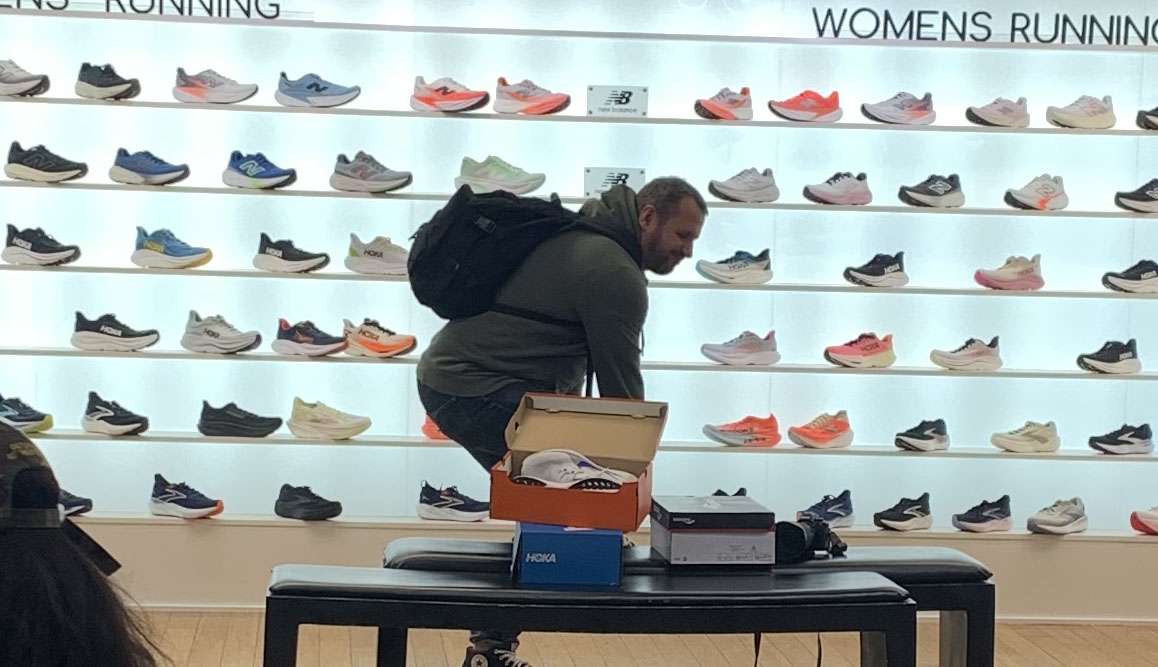
While digital branding has boomed in the last five years, the in-store retail experience remains key. On recent store visits to some run specialty shops and brand flagships in Connecticut and New York, we saw successful material stories on display in different ways.
What Resonates with Shoppers
“Younger audiences are social media savvy, and looking at reviews online or videos on Instagram is helpful. But research alone doesn’t result in the best shoe for the individual,” explains Chris Dickerson, owner of Woodbridge Running Company. “It’s knowledgeable staff working with customers that will find the right shoe.”
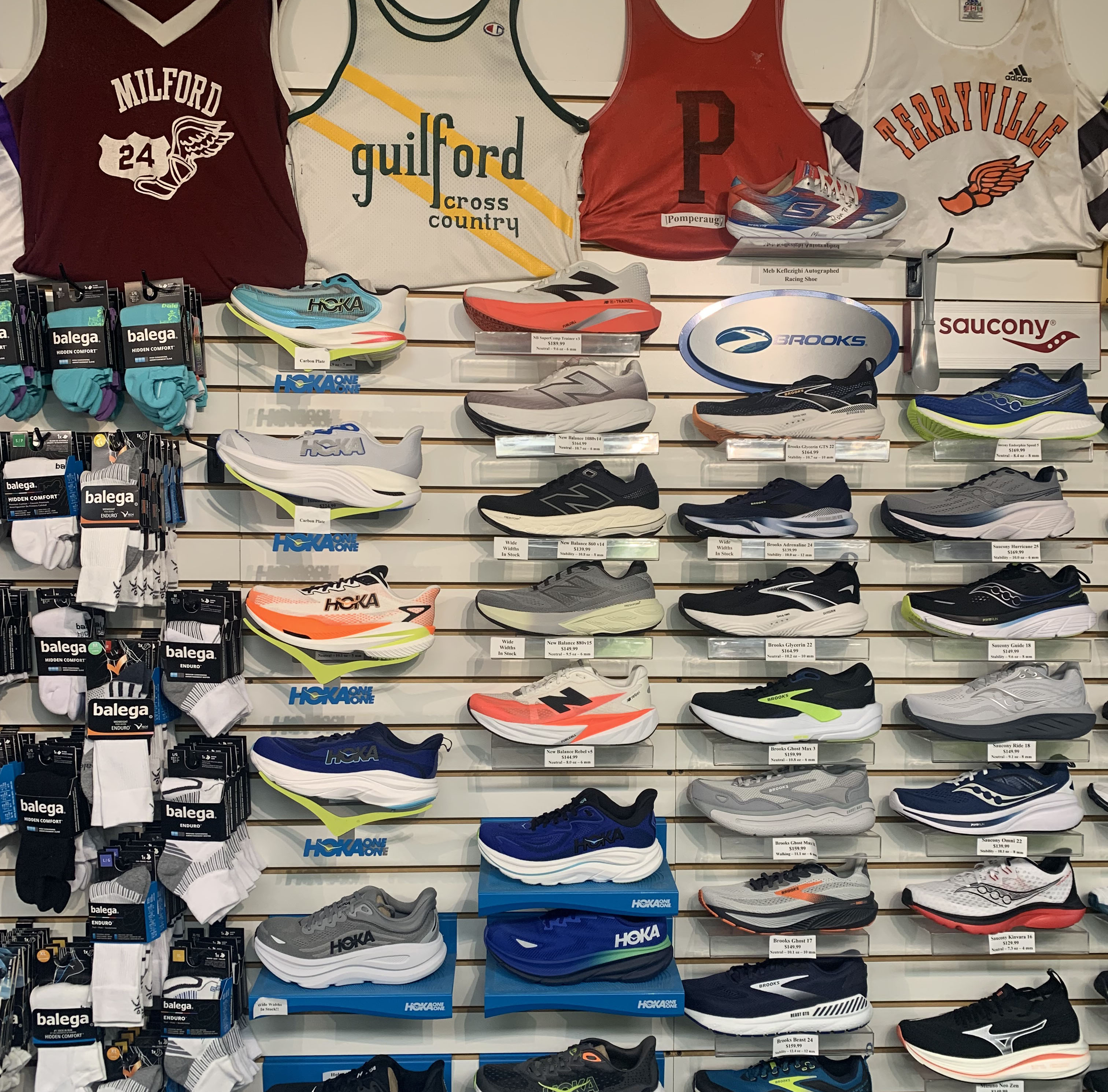
The Woodbridge, CT store is able to tell a terrific story about the sport of running that, in a nuanced way, shines a light on how material innovation has evolved, particularly in the past 15 years, helping to prompt talking points about new technologies and footwear design developments. Iconic running shoes are displayed in the footwear area, and walls are lined with race posters, framed black and white photographs of runners and an expansive assortment of singlets from local teams. The shop’s deep commitment to community engagement comes through loud and clear.
Dickerson founded the company in 1999 and has been involved in running for over 30 years, both as a competitive racer and as a coach. The shop is equally well equipped to handle common runners’ needs, and to meet the needs of the high-level runners from nearby schools and universities, many of whom enjoy talking about the newest super-technical footwear features. Individuals coming to the store with recommendations from a podiatrist and/or PT professional to help solve specific foot problems is another growth category.
At Kelley’s Pace, in Mystic, CT, education takes place mostly on the sales floor and focuses on features that will elevate fit and comfort for specific foot types. While the percentage of Kelley’s Pace customers described as “tech savvy” is relatively small, staff is trained to answer detailed questions on material technologies. The New Balance footwear with FreshFoam midsole tech is a product feature that customers often recognize; “Breathability” also is top of mind for shoppers.
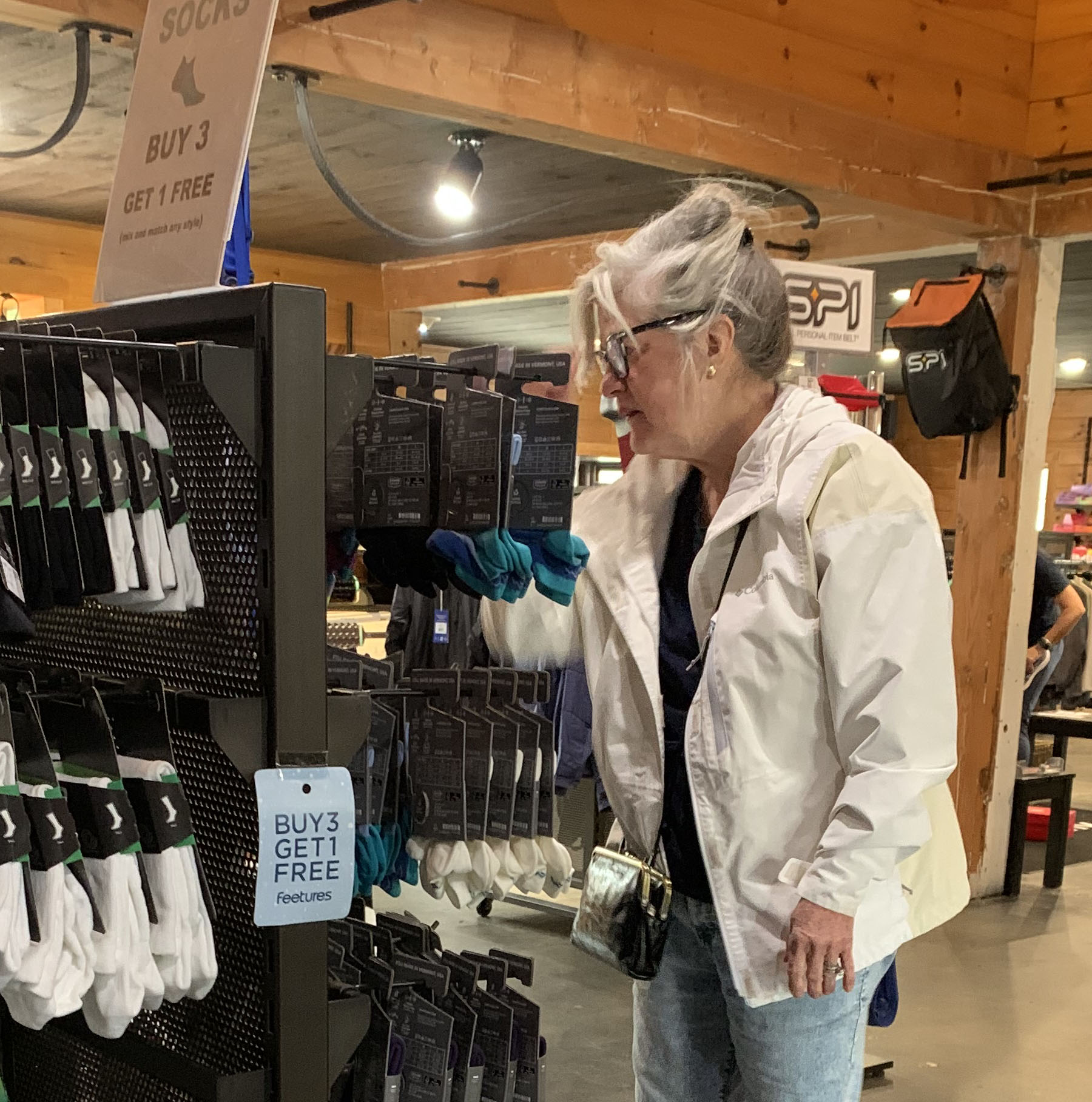
Interestingly, the sock category generates a good amount of textile related questions from Kelley’s Pace visitors. They want a sock that is “moisture wicking” or they inquire about a sock made with “Merino” wool. The store sells a solid selection of Darn Tough, Balega and Feetures socks.
Scouting Textiles at Retail
A lively hub for active/outdoor stores has emerged in the Flatiron and Union Square neighborhoods of New York City during the past few years. A dozen or more specialty fitness retailers are now located in this bustling section of the City, including flagship shops for On Running and Hoka. The area also is home to Paragon Sports, a long-time, hugely popular downtown specialty sports store. While all three retailers specialize in running, on our recent visits, we found that material innovation focus varies from store to store.
On Running’s high-tech identity is clear from the sidewalk outside of its NYC Flatiron store. “Outdoor technology for when the weather goes off script” currently is broadcast on the large window facing the street. This messaging is enforced with signage displayed in the apparel section near the front entrance. In conversation with a sales associate in the store, we learned that “lightweight” and “breathable” are features most consumers look for in On’s product. Some customers go deeper asking about the company’s new Light Spray uppers and carbon, whether that’s carbon plates in the On Cloudboom Echo 3 shoe or the capsule apparel collection that features tops made with “carbon capture recycling” technology.
Staff has weekly training sessions on product that include discussion of the latest technical innovations. To find more information on textiles, shoppers are advised to check out the On Running app.
At Hoka’s NYC Flatiron store, meanwhile, the focus is entirely on footwear. Any specific signage on material related features and benefits is miniscule. Apparel is basic; textile information available on hangtags simply states, “Performance for your hardest runs.” However, the Hoka website is another story. For example, on the site the Airolite Long Sleeve 2.0 provides detailed material content describing the shirt as “81 percent recycled polyester/19 percent elastane fabric blend offering next-level moisture-management, quick-dry fabric and finished with HeiQ mint’s anti-odor technology.”
Paragon Sports, located on Broadway between 17th and 18th Streets, is enormous, with multiple floors jam-packed with all manner of sports gear, clothes, and accessories. The Running category is front and center with a large footwear area next to the entrance and an adjacent but separate clothing department. There are no visuals about textile tech or specific materials anywhere. A sales associate in the clothing area told us that most customers are somewhat savvy about materials and often ask “what is this product made of?” She offered a quick rundown, stating, “Customers interested in natural fibers gravitate to Smartwool, and seek out prAna apparel for eco-friendly fabric made with Tencel. Tracksmith apparel is popular at Paragon for its ‘vintage look,’ and men’s shorts by the brand Ten Thousand are popular because of the excellent fit and fabric feel of the compression liner.”
The way running is tracking, both in participation and as an industry, material innovation should play a bigger role in how businesses position themselves in the marketplace going forward. “The nichification of brands is real and being distinct is more important than ever,” says Matt Trappe, author of the A Matter of Brand substack, a newsletter discussing the latest brand storytelling and business activities across the sport of running. Promoting textiles could prove to be an important differentiator in an increasingly crowded field, for brands and retailers alike.
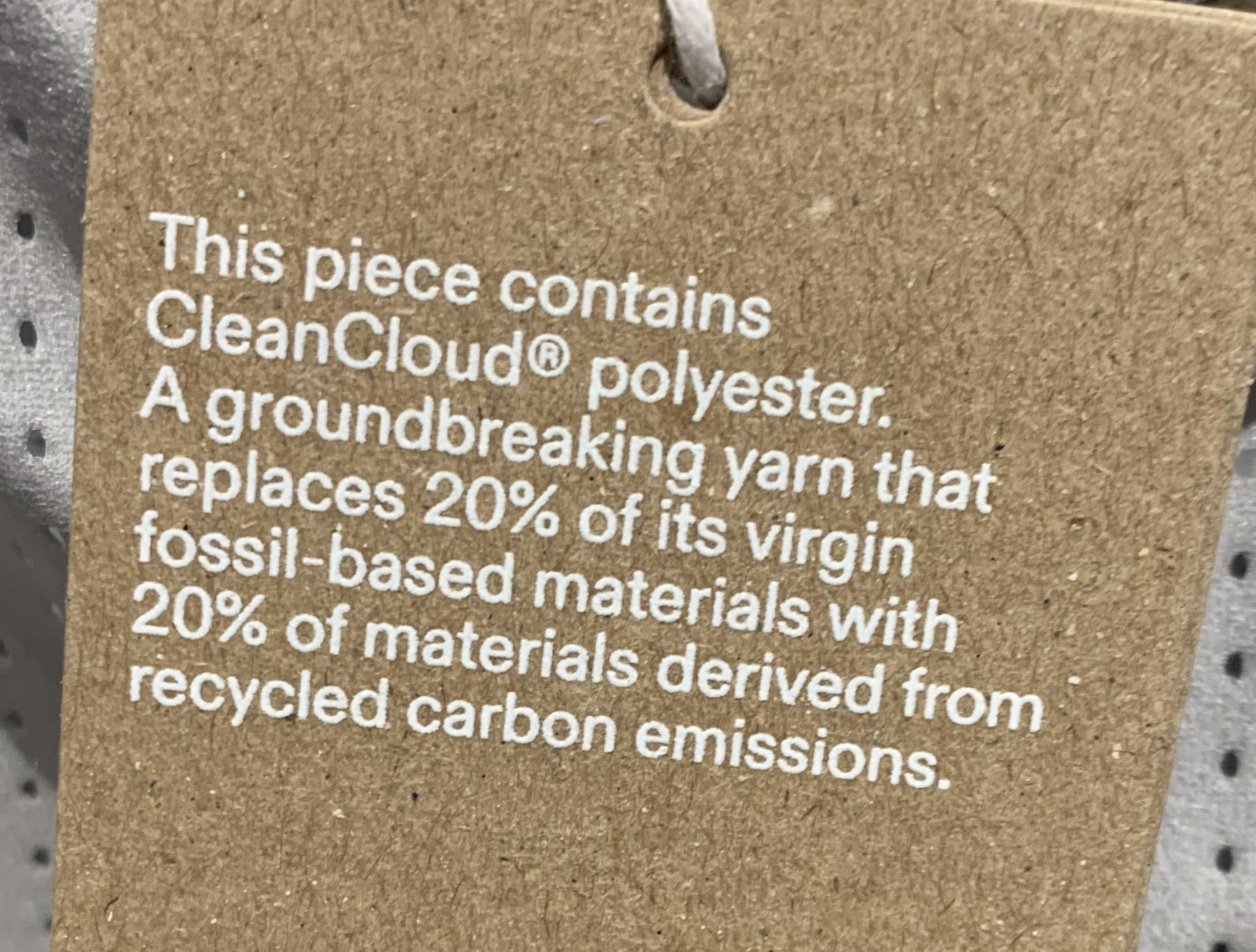
capsule collection of performance tops.


.svg)