
.jpg)
Perfecting the assortment season to season can be a difficult challenge for any specialty footwear retailer. What are the factors that retailers consider when deciding to add a brand into the mix of products they carry? Metrics and margins matter. But, retailers tell us, often it’s also about trusting one’s “gut” or listening to word-of-mouth recommendations. Sometimes a brand is added to the mix in order to fill a niche or to help the retailer meet a need for a certain price point.
What makes a new brand really pop for a retailer? We reached out to several top independent shoe retailers for their thoughts.
What do you look for when seeking new brands for your assortment? What’s a difference maker for you?
“Finding new brands is part strategy, part instinct. We hit the trade shows, but some of our best discoveries come from just paying attention to what people are wearing on the street, what’s blowing up on social, and what our customers keep asking for. We also rely heavily on our vendor relationships. A trusted partner who knows our stores and our customers will often flag something new before it even hits the broader market. Once a brand catches our attention, we dig deeper. Does it bring in a new customer or fill in a gap we have? Can we tell its story well, both in-store and online? And yes, the practical stuff like distribution strategy and MAP compliance matters too. But at the end of the day, it comes down to whether the brand has a clear point of view and whether our team genuinely believes in it. That’s what resonates with customers.” - Kim McKeown, Tradehome Shoes
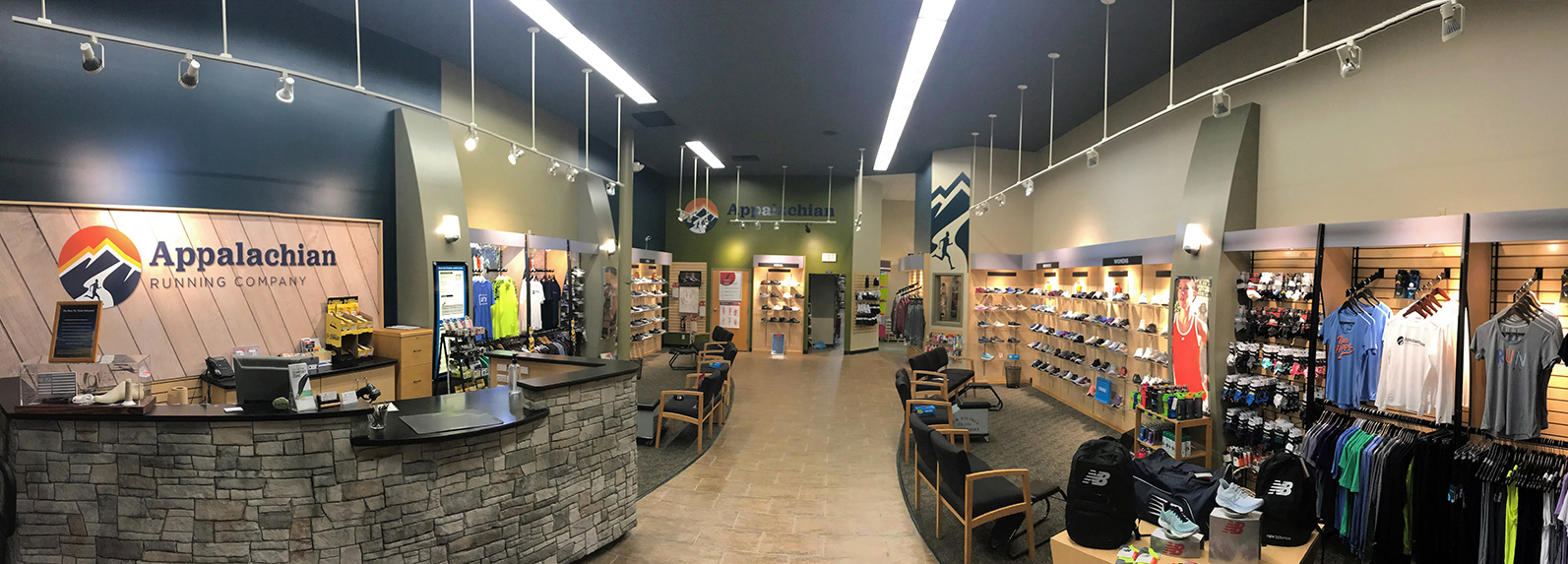
“These are some of the factors I look for: Does it fill a niche gap? Quality and reliability; Profitability and pricing; and does it resonate with our customers?” - George Gripp, Shoe Fly/Appalachian Running Co.
“We typically consider two main factors when adding new brands to our store. First, we look for brands in high demand—those that our staff and customers are actively requesting. Second, we evaluate whether a brand is retailer-friendly, offering strong margins and filling a specific need in our assortment. We’re willing to accept lower margins for high-demand brands that sell quickly (such as athletic). However, for new fashion or casual brands that lack customer familiarity, we expect higher margins or other unique qualities that make them compelling for an independent retailer.” - Dan Van Dis, V&A Bootery
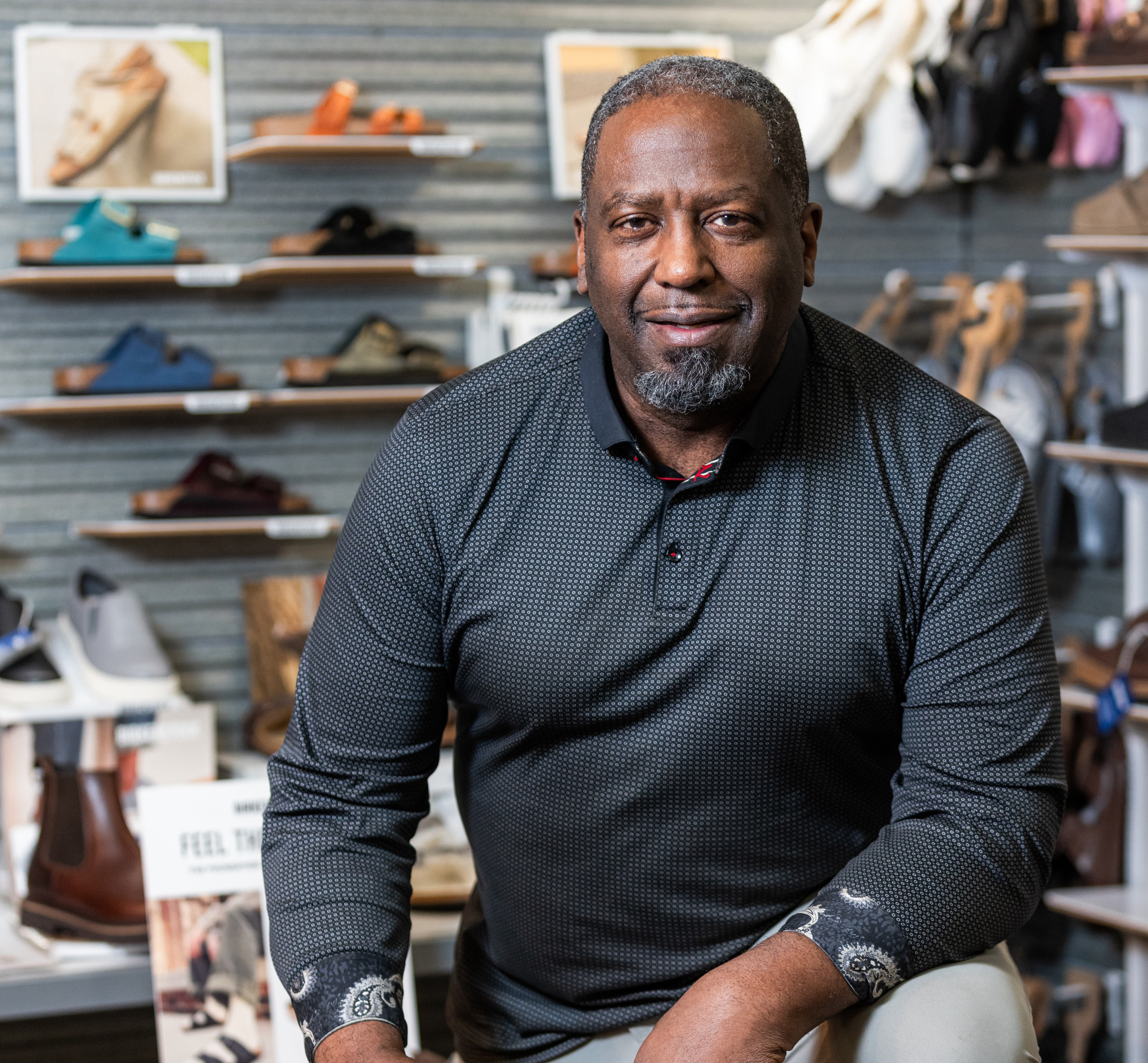
“It all starts with the customer, knowing who they are and what they want. My dad always said, ‘Pick and choose which lane you want to drive in.’ You can stay in the slow lane with safe, reliable brands like SAS or New Balance; cruise in the middle lane with solid, trend-conscious options; or take the fast lane with high-fashion, risk-taking brands like Cydwok or All Black. I like to keep a mix of all three. It’s important to have basics that keep customers coming back, but also statement products, what Nike used to call attention-getters. Those pieces create excitement, draw people in, and inspire them to explore the core of your assortment.” - Bruce Wesley, Wesley Shoes
“A new brand must first meet our requirement of being a brand ‘where comfort meets cool.’ It must be a brand that utilizes premium elements to provide value and lasting performance. While vendors usually seek us out, we often discover new brands at international shows. New brands must augment our selection and provide a raison d’etre in our stores.” - Janice Abernethy, Abbadabba’s
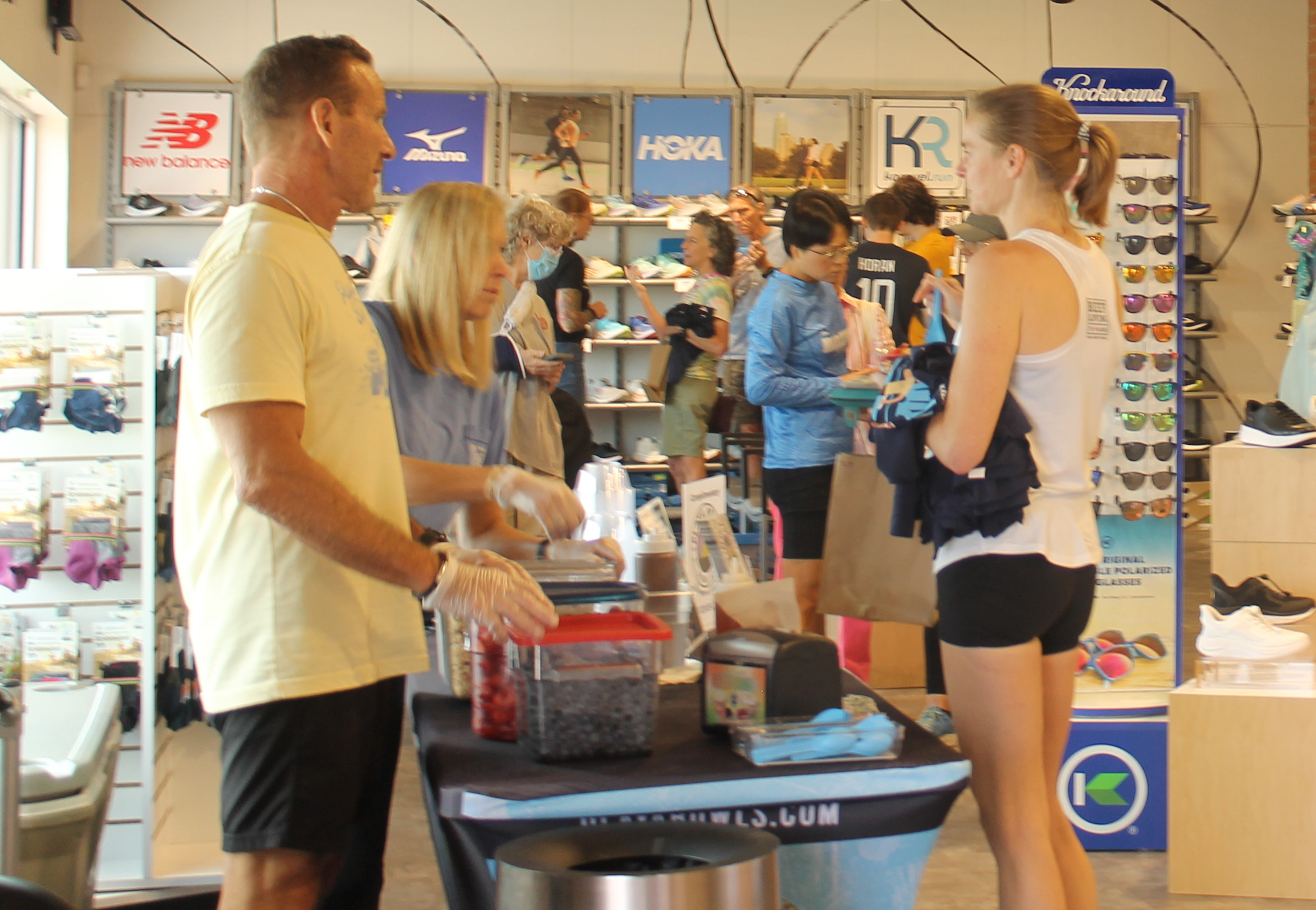
“We prioritize brands that offer our customers something distinct from our current assortment—whether through a unique comfort solution, design, construction, or brand perspective. We are intentional about avoiding redundancy and instead focus on brands that fill a gap or address a specific customer need. Our decision making process centers on product quality and comfort, how well the brand complements our existing assortment, pricing, and margin structure, and long term sell through potential.” - Haley Johnson, Karavel and Karavel Run
“As buyers, we want to make sure our assortment aligns with our customers’ current wants and needs. When adding a new brand, we look at shoes that can be a core product for us now and in the future. The story and sustainability of a brand continue to be an important factor on our sales floor. The customer likes to learn about the quality, features, and purpose of the brand. We look for understandable trends with comfort features and quality materials.
We travel the world to find new brands! Trade shows - Atlanta, RIA, regional shows, and MICAM are a few ways we discover new emerging brands.” - Megan Sajdak Holtan, Midwest Shoe Merchants
“We’re always looking for brands that offer a clear point of difference, whether that’s in comfort, craftsmanship, or creativity. Product is the starting point, but it goes beyond that. We evaluate consistency in quality, margin structure, and each brand’s approach to partnering with retailers. How a brand will partner with you to help market themselves in your store goes a long way! But what really makes a difference for us is when a brand has a strong identity and a story that our staff can confidently stand behind. If our team believes in it, our customers will too.” - Christian Snyder, Snyder’s Shoes
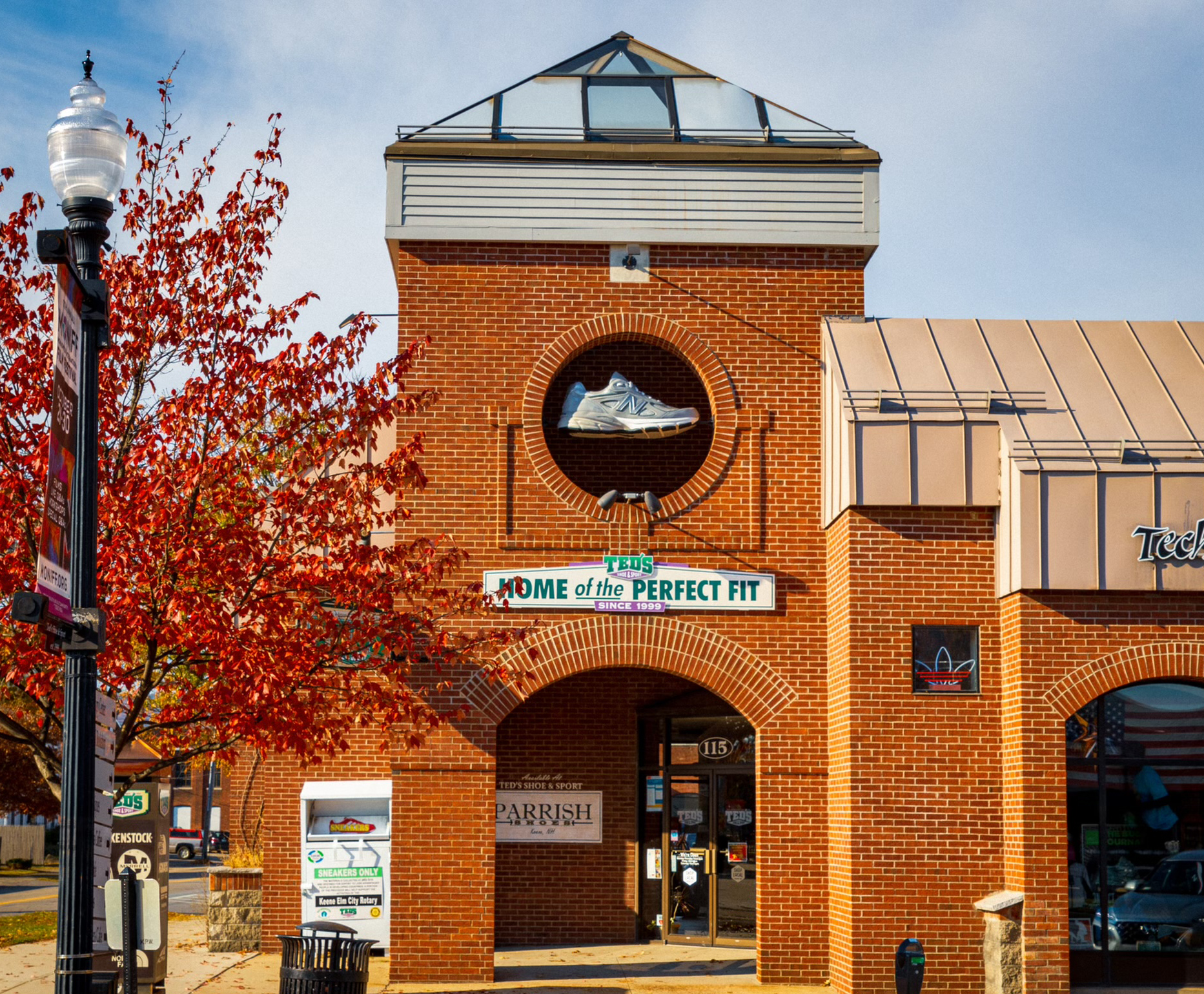
“The first thing we look for is brand relevance to our current assortment. Does it fit within the purview of what we’re offering, and does the brand have staying power to allow us to pioneer a new brand within our community? As for decisions to bring them in, margins matter, shipping location matters, and the brand’s focus on retail partners matters. If they’re 70% DTC versus Wholesale, we might hold off. We typically find new brands at trade shows or trade mags. Occasionally, an employee might have heard of an up-and-coming brand as well.” - Ted McGreer, Ted’s Shoe & Sport
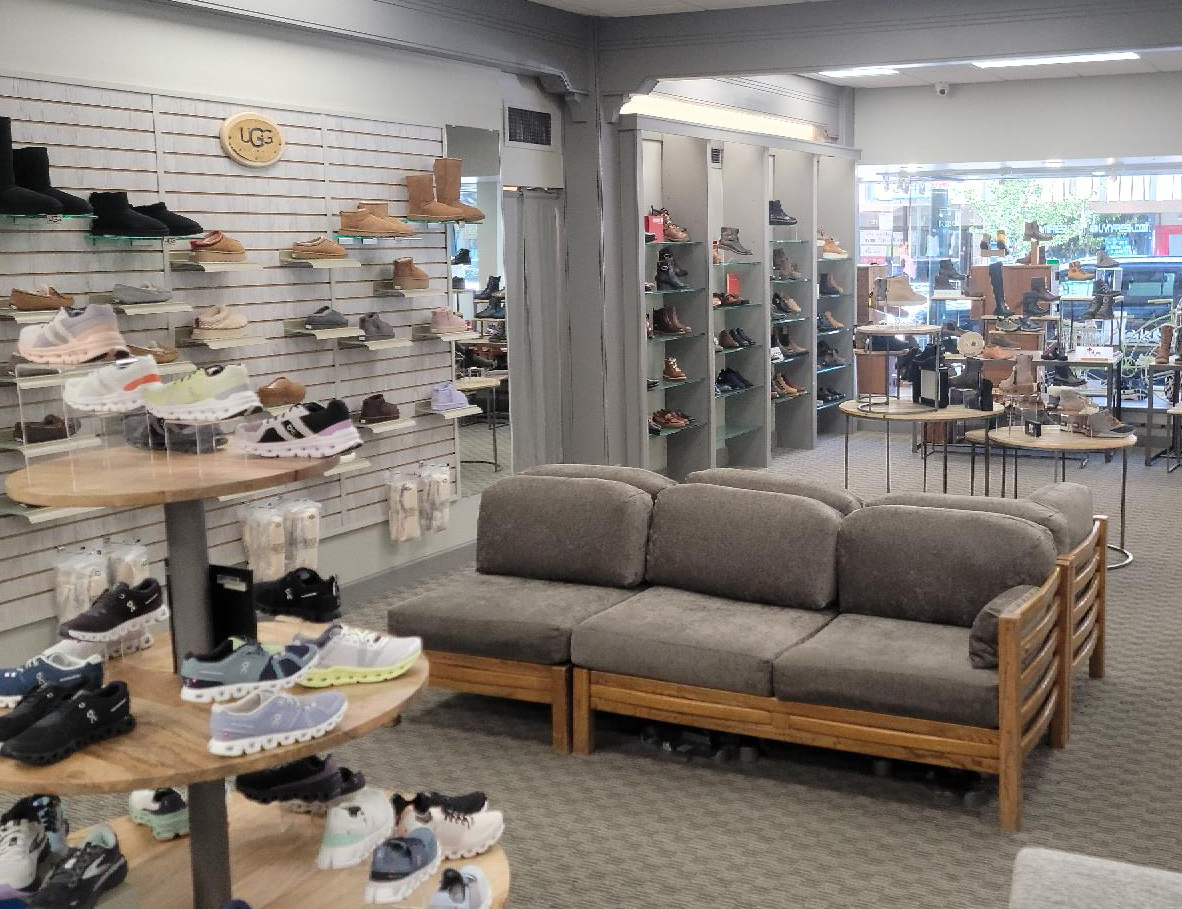
“When we are looking for new brands it’s usually from talking to other friends in the shoe business. They may have tried something new, and it is working for them. You also need to listen to the customer. If they are asking for a brand, or if you are seeing it on their feet. Ask them questions if they are wearing something you are not familiar with. Get their feedback. Ask them about the comfort. Looks are one thing, but they also need to be comfortable.” - Bill Golden, Golden Shoes
How Retailers Know When a Brand Is the Right Fit
When adding a new brand to the mix, retailers take into account several key factors to make sure the brand supports the store’s objectives.
At V&A Bootery, owner Dan Van Dis says he relies on feedback from staff to identify customer requests or gaps in current inventory. And the retailer looks for different things from different brands, from a business perspective. “If a brand approaches us, we look for strong margins, favorable dating terms, marketing support, staff incentives (such as product), and flexibility with product exchanges,” Van Dis tells us. “On the other hand, if we are pursuing a brand ourselves, we are generally more flexible in our expectations and primarily focused on securing the partnership.”
Sometimes the most important factor is all about gut instinct and relationships, Megan Sajdak Holtan, Midwest Shoe Merchants, tells us. “An important part of bringing in a new brand is the relationship we form with the vendors,” she says. “We need a reliable relationship, marketing, and training plans to ensure success when launching the brand in-store. We like to test a brand at one or two of our locations before launching it corporate-wide. It’s exciting to always ask ourselves, Will the brand sell? Will it elevate the customer experience? Does it fill a void the customer is looking for?”
Another critical factor is of course the comfort and quality of the product. “Our customers value comfort first,” says Janice Abernethy, Abbadabba’s. “If a brand represents comfort, then it is likely a good fit. It should be noted that comfort does not forego the use of quality materials, attention to detail in design execution, or updated pattern and color matching. If the shoe is aesthetically pleasing and incorporates elements of ergonomic design that allow the foot to function as it was designed to, it will be embraced by our customers. Foot biomechanics and fashion sense can go hand-in-hand.”
Knowing who the product is designed for and what other businesses are carrying it also plays a deciding role. “We look at where the brand is currently sold, who’s buying it, its social presence and aesthetic, and the collaborations it’ doing,” explains Kim McKeown, Tradehome Shoes. “If the customer they’re speaking to looks and feels like our customer, that’s when we dig deeper…Does the brand fill a real gap in our product mix? We’re not interested in just trading sales from one brand to another. We want something that brings newness to the table. Price point matters too. Our cus-tomers have a range of spending thresholds, and we want brands that can meet them where they are. And honestly, fit and comfort are non-negotiable. The footwear we sell must feel good. If it doesn’t, nothing else really matters.”
If a brand already competes with successful brands in the store, retailers may shy away from it. “We serve a wide range of people... so any new brand must complement that mix, not compete with what we already have in our assortment,” notes Christian Snyder, Snyder’s Shoes.
Retailers Shout Out Brands Bringing Newness
“We have added L’Aartiste and Spring Footwear, giving us some fashion flare and great comfort with Spring. We are working with YY Nation for Vegan footwear. We just added Frankie4 for Spring ’26 giving us a more fashion comfort line. ART is another line added for Spring ’26. Trying to find foot-wear that has comfort and fashion for that 35- to 55-year-old consumer.” - Haley Johnson, Karavel
“Pikolinos is a brand that easily stands out. The brand is easy to work with, always producing unique quality products that they stand behind. Pikolinos also collaborates with us to support seasonal events for our fit specialist teams and customers. They also have stocked inventory, and quality individuals we enjoy working with.” - Megan Sajdak Holtan, Midwest Shoe Merchants
“We added Ara last year and it has performed well. Django & Juliette and Ziera are brands with great margins doing exceptionally well. We are bringing back Frye, which we haven’t carried since the 1970s. It is a brand we are getting many requests for.”- Bill Golden, Golden Shoes
“We’re very excited about Softwaves from Spain. The owner and factory team made a strong impression, and their collection has been performing really well.” - Bruce Wesley, Wesley Shoes
“Altra, Topo, and On have stood out as rising stars on the brand side from an athletic footwear perspective. Altra particularly has become a great partner, allowing us access to all their inventory, offering competitive programs, and shoes that fit a broader array of feet. Topo has also stepped up and offered good quality products which seem to win on the floor. On’s momentum is still sound, and their product has a unique appearance reaching a broad demographic.” - Ted McGreer, Ted’s Shoe & Sport
“Lems has been a pleasant surprise in the doors we tested. They have a distinct look and feel and have really provided a boost to our Outdoor and Hiking selection.” - Bill Golden, Golden Shoes
“One of the most exciting additions for us has been Kizik and its hands-free technology. What’s made it stand out is their uniqueness and how they market themselves. Our customers know right away what they are getting with a pair of shoes from Kizik. This allows our team to tell a story about the product which has really resonated on the sales floor. We’ve also built a close, supportive relationship with our Kizik rep and their team. They consistently equip our staff with the training and tools to confidently introduce the product.
Beyond shoes, accessories can make an impact on the sales floor. OS1st has stood out for its exceptional sock quality, blending innovative technology with comfort that our customers love. Even more, they’ve proven to be a true retail partner—offering robust product training and ensuring our team experiences the socks firsthand. It’s that combination of quality and support that’s made OS1st a seamless fit in our assortment.” - Christian Snyder, Snyder’s Shoes


.svg)