

When the National Federation of State High School Associations (NFHS) recognizes the 12 individuals who are being inducted into the National High School Hall of Fame this June during its Summer Meeting in Salt Lake City, half of the inductees will be females. That may be a minor event in the overall scheme of things, but it is a clear sign of the progress that females have made and continue to make on the high school sports scene in the U.S. Note: Of those six females, three are former high school athletes, two are retired game officials and one is an ex-coach. Let’s take a look at the impact women such as these six – and thousands of others – have had on the team sports business.
Fast Thinking
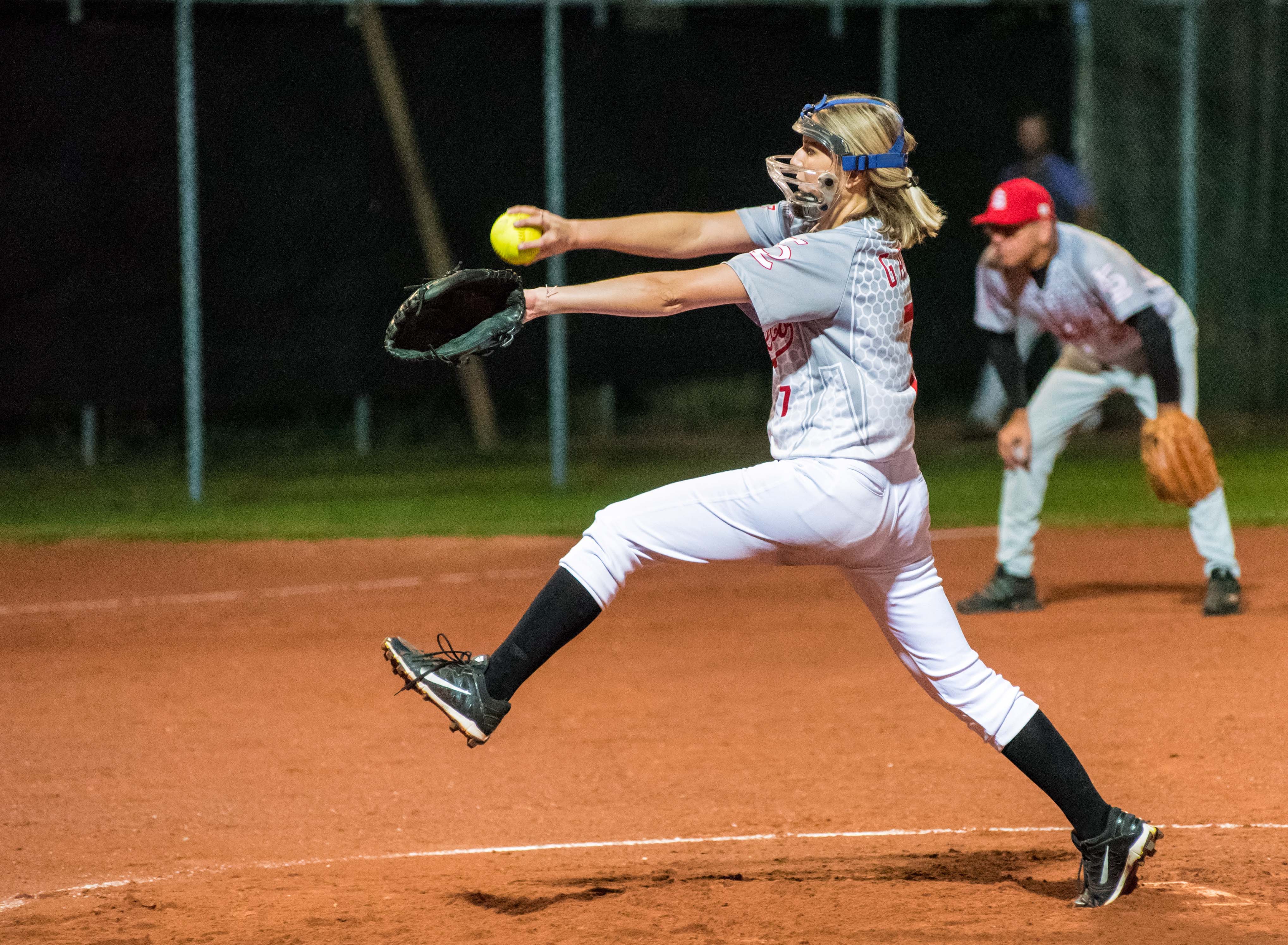
Leading the pack in girls’ impact on the business is certainly fast-pitch softball, where, according to the latest participation figures from the NFHS, there are 15,726 girls’ high school fast-pitch softball teams in the U.S. — with a total of 338,315 players. This ranks fast-pitch softball as the fifth most popular high school sport for girls.
The top five most popular states for participation in girls’ fast-pitch softball are California (1200 teams), Texas (1181), Ohio (768), Illinois (749) and New York (679). Three other states – Florida, Michigan, and Pennsylvania – all have more than 600 high school girls fast-pitch softball teams.
According to Sandy Searcy, a director of sport for the NFHS, the outlook for high school softball remains very strong. “All 51 state associations sponsor state championships in fast-pitch softball,” Searcy says. “Participation continues to rebound and is approaching pre-pandemic levels, reflecting the sport’s sustained popularity among students.”
One of the driving forces behind fast-pitch softball’s gains has been more coverage by sports writers and sportscasters.
“Expanded media coverage of high school softball has increased visibility for the game and the opportunities it provides, helping drive interest at the grassroots level,” says Searcy. “At the collegiate level, the growing national attention surrounding the NCAA’s (Division I) Women’s College World Series has broadened the sport’s fan base.”
And, of course, fast-pitch softball is expected to receive a big boost in interest in two years: “Softball’s return to the Olympic Games in 2028 is expected to further elevate the sport’s profile and momentum across all levels of play.”
America’s team dealers certainly like those upward-trending numbers for fast-pitch softball. In fact, many feel selling fast-pitch softball is very similar to selling baseball, says Allen Krebs, owner of Kratz Sporting Goods in Clarksville, IN.
“I’m selling uniforms, batting helmets, bat bags, batting gloves and, of course, lots of softballs,” says Krebs, plus sliding shorts, elbow pads, face masks for infielders, visors and undergarments.”
Typically, though, his cleat, glove and bat business has dropped off considerably in the last six years. “We don’t sell as many softball cleats as I used to sell pre-COVID because coaches have realized that their teams don’t have to have matching cleats in order to play well,” he points out. “That’s one less issue which coaches don’t have to worry about.”
And for fielding gloves, every girl wants a her’s customized with a special color. “I can’t carry enough gloves to meet the needs of every player,” he explains. “As for bats, the bat manufacturers are constantly changing the models and our inventory can’t keep up with the changes. If I buy 12 bats and sell eight of them, I lose money.”
In Mason City, IA, fast-pitch softball is an important category for Decker Sporting Goods. “We sell everything with the exception of cleats,” says sales rep Mike Pederson. But they do actively sell fast-pitch softball bats.
“In fact, we will stock roughly three or four different SKUs of bats and that seems to take care of 90 percent of the market,” he explains.
Meanwhile, in Wilmington, DE, Al’s Sporting Goods generates strong fast-pitch softball business from both its team sales division and retail outlet.
“We are selling uniforms and lots of softballs through our team division,” says owner Bob Hart, along with uniforms and lots of softballs, while cleats, bats, fielding gloves and bat bags are sold through its retail outlet.
In south Florida, Austin Skelton of Skeleton Wear in Lake Worth, points out that one of his strongest softball markets is middle school-age travel teams.
“At the middle school level, parents are more likely to spend more money because they think their child will be the next ‘big thing’ in that sport,” Skelton says.
And at Al’s Sporting Goods in Logan, UT, sales associate Leah Housley estimates that 80 percent of her store’s fast-pitch softball business is to females. The most popular softball items sold are gloves/mitts, softballs, bats, helmets, batting gloves, visors and softball cleats.
Salute the Flag
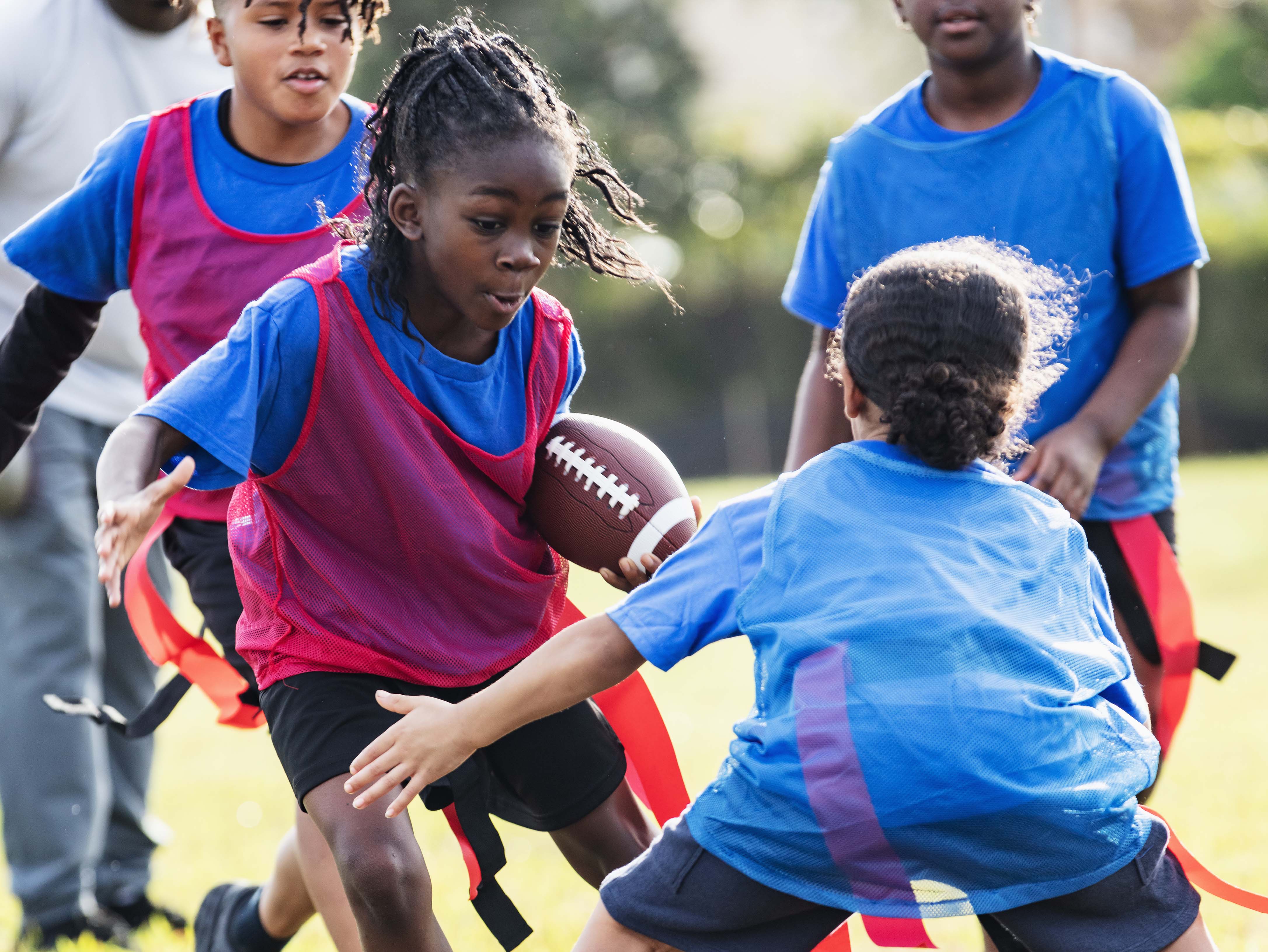
Flag football is most definitely no longer just a game played in P.E. classes or on Thanksgiving morning with family and friends. Flag football is the real deal now. And opportunities for girls to play are boundless.
• USA Football, the national governing body of amateur football and flag football in the U.S., provides oversight and guidance for flag football enthusiasts of both genders, especially those who want to represent the U.S. on international teams.
• There are now 17 state associations that have sanctioned girls’ flag football, six additional states are voting on sanctioning flag football in 2026 and 15 states are involved in independent/pilot flag football programs at some level.
• According to the 2024-25 NFHS High School Athletics Participation Survey, 68,847 girls participated in high school flag football for one of the 2736 schools nationwide.
These numbers are music to the ears of team dealers, even though flag remains a much smaller category than its tackle cousin. But one south Florida high school has been able to take that next step.
The buying cycle for the Seminole Ridge High School (in Westlake, FL) varsity flag football program is very similar to the equipment and gear needs for other high school flag football programs, especially those in Florida.
“We buy uniforms, flags, belts, cones, spray paint and footballs,” reports Scott O’Hara, now in his 11th year as the head coach of the varsity girls’ flag football team at Seminole Ridge, but they purchase Triple Threat flags from Amazon. And since the local Dick’s Sporting Goods doesn’t sell its type of footballs any more, the school buys them directly from Wilson Sporting Goods.
And when it comes to ordering flag football uniforms, which Seminole Ridge does every three years, it’s not always done through a traditional team dealer. “Quite a few groups sell uniforms, but some of the prices are outrageous,” O’Hara explains. “The last time we ordered uniforms, we bought them from Green Gorilla.”
Mat Tales
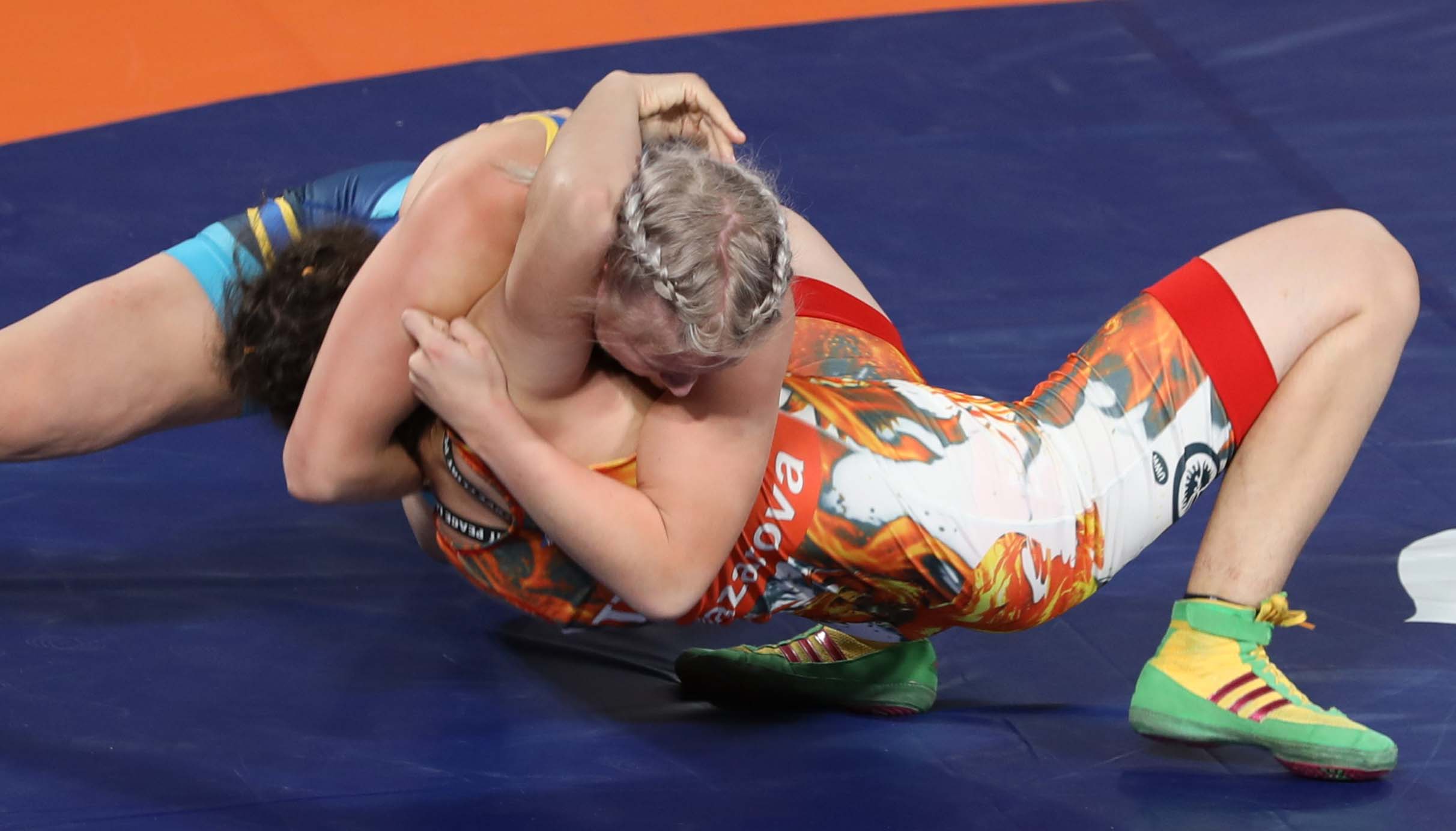
High school wrestling is experiencing a surge of participation in high schools this decade and, according to the annual NFHS Sports Participation Survey, for the 2024-25 school year, there were 374,278 student/athletes on the mats. And of those, 74,064 were girls. Those figures are high water marks for both categories.
“The growth we’re seeing at the high school level, especially among young women, is one of the most exciting developments in our sport’s history,” says USA Wrestling executive director Rich Bender. “It speaks to wrestling’s unique ability to welcome anyone willing to work hard and build character, confidence and community. More young people stepping onto the mat strengthens the foundation of our sport and ensures a bright and sustainable future for wrestling at every level.”
There is ample anecdotal evidence testifying to this growth.
About five years ago, Krista Semkiv took a job as a social worker at Palatine High School in Illinois and joined the wrestling coaching staff after spending several years helping with junior high programs. There was just one female wrestler on the high school team at the time, but that didn’t last long as the program began focusing on creating a girls-only team. Now, heading into the 2025-26 season, nearly 30 girls are on the mat.
Palatine’s growth in girls’ wrestling participation mirrors the trend seen at many high schools nationwide over the past decade and particularly the last five years.
Semkiv tells Team Insight several factors are driving participation increases, chief among them is that more schools are offering girls-only programs and most states now hold state championships separate from the boys.
It wasn’t until the late 1990s that a significant number of girls-only programs began to emerge.
“It’s a very inclusive sport, which is one of the reasons I love it,” Semkiv says. “On our team, and for a lot of teams in our area, too, it’s a no-cut sport. So, any girl, no matter her size, can join the team, which I think is huge. In girls’ wrestling, you start at 100 pounds, or even 90, and it goes up to 235. We almost need girls of all different sizes, which I think is really empowering for them.”
Semkiv, now in her second year on the NFHS Wrestling Rules Committee, says goals for leaders in the sport include creating more girls-only tournaments and increasing the number of female coaches leading programs.
To that end, Mike Moyer, executive director of the National Wrestling Coaches Association, said one of the NWCA’s goals is helping former high school wrestlers stay involved in the sport after graduation.
“One of our priorities is getting to a point where we have separate, dedicated coaches for the boys’ and girls’ teams,” Moyer says. “We’ve got research that shows when you have separate, dedicated coaches, the health of the rosters is generally much greater. We need to do a lot more educating of school administrators to help them understand that if they really want to maximize these opportunities, this is the way to do it.”
Experts also said the rise of women’s wrestling in the Summer Olympics, which was added to the Games in 2004, has played a significant role in the sport’s growth. Student-athletes can now follow and be inspired by their favorite athletes more easily than ever.
While wrestling hasn’t cracked the top-10 yet for most popular high school girls sports, it’s closing in on lacrosse, which had 99,292 participants last school year.
Net Effect
A quick glance at the NFHS’ participation data shows an overwhelming interest in volleyball, especially among women. Its 492,799 players rank it second in terms of volleyball players and third in high school teams with 17,027.
According to Lindsey Atkinson, director of sport for the NFHS, the top five most popular states for girls’ high school volleyball are California (1479 schools), Texas (1222), Illinois (792), Michigan (731) and New York (636).
“High school girls’ volleyball continues to see growth in participation, with 8.8 percent growth over the last five years,” Atkinson reports.
Because volleyball is a year-round activity it makes for a solid sport for team dealers. If they are not selling to middle schools and high schools, they are selling to some very large travel teams. It seems like the only downtime is the gap in the summer between the end of the club/travel season and the beginning of conditioning for the upcoming girls’ volleyball season in the fall.
That means for Kratz Sporting Goods, it’s always volleyball season. Even better, according to owner Allen Krebs, travel teams spend more money than high school squads.
“Travel volleyball teams are buying three uniforms every year for every player, plus travel gear, shoes and various accessories,” Krebs says. “High school teams are only buying a new set of uniforms every three years.”
Decker Sporting Goods in Iowa is selling volleyball 12 months a year to schools and travel clubs as well. “We are a full-line volleyball team dealer that sells uniforms, equipment, volleyballs and net systems,” says Pederson, adding that they also build team stores for spirit wear sales.
The one major volleyball category which Decker doesn’t sell is footwear.
In Florida, Skelton, of Skeleton Wear, says his volleyball business is strong throughout the year selling to middle schools, high schools and club/travel teams.
“We sell uniforms with names on them, arm sleeves, shoes, knee pads, backpacks and spandex,” Skelton reports.
The challenge in selling to travel teams is getting the order correct since travel teams often have many different teams under the club banner. “In travel, you may be dealing with athletes who are ages 10-to-18 and then there may be an A, B or a C team with each age group,” he explains.
In Wilmington, Al’s Sporting Goods has a strong team and retail business in the same location, which helps generate sales to both teams and individual athletes.


.svg)