

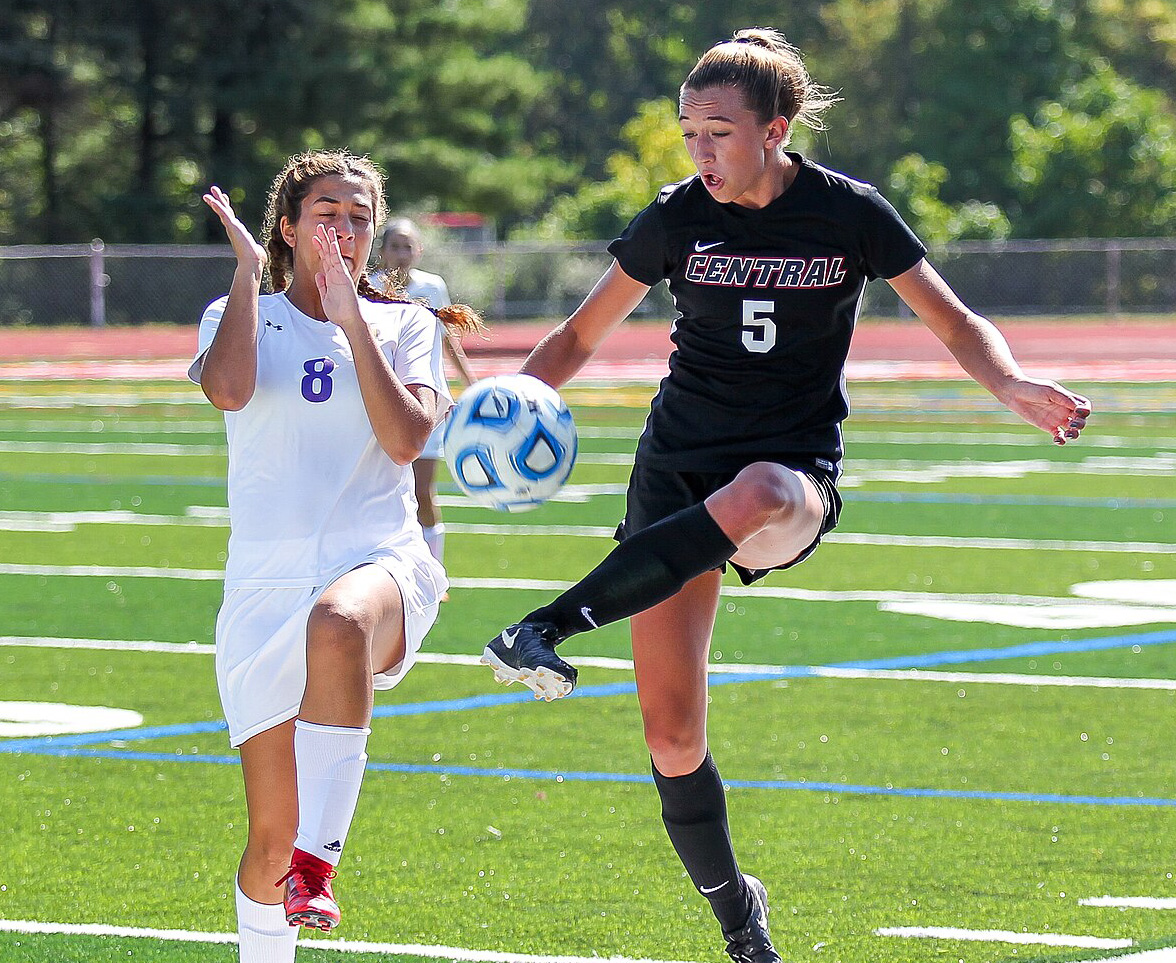
Women’s team sports are seizing the moment. Never have they been more accessible, popular, varied and, for the sporting goods industry in particular and corporate America in general, profitable.
“One of the most encouraging trends in our data is how broadly girls’ participation is growing across sports. Over the past three years, 10 different sports for girls ages 6-12 saw average annual growth rates of more than 10 percent, and nine sports for girls ages 13-17 reached that same level,” says SFIA senior director Jenny Karn. “By comparison, only two sports in each age group for boys grew at that pace. That tells us the momentum behind girls’ sports is expanding across disciplines and creating more opportunities for young athletes nationwide.”
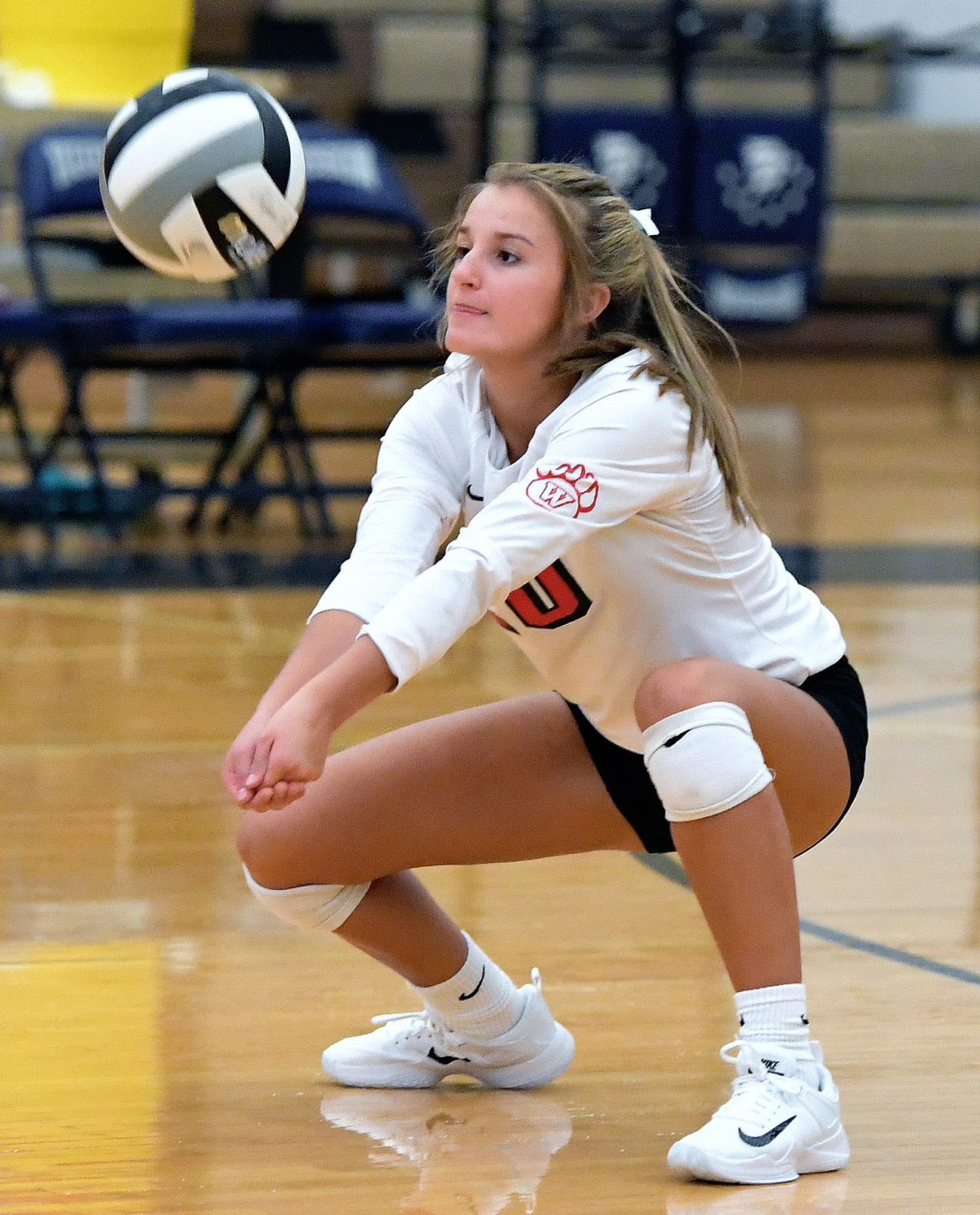
The participation numbers are, indeed, impressive. Over 3.5 million girls participated in high school sports in the U.S. as of the 2024-25 school year, marking a record high, according to the NFHS. Outdoor track and field, volleyball and soccer were the top three sports for girls, followed closely by basketball and softball. Wrestling, flag football and lacrosse continue to be among the fastest-growing sports for girls.
Flag football in particular is booming. In the 2024-25 school year, 68,847 girls played the game, representing a 60 percent year-over-year increase. In addition, schools sponsoring the sport increased by nearly 1000. Many experts attribute the rise to the NFL’s investment in girls’ and women’s flag football and the sport’s upcoming inclusion in the 2028 Summer Olympics in Los Angeles.
Girls’ high school wrestling is also developing a stronghold: participation topped 74,000 for the first time in the 2024-25 school year, a 15 percent jump from the prior year, according to NFHS. Additionally, nearly 1000 schools with a girls’ wrestling program were added.
“These examples show that accessibility and visibility drive growth,” notes Caroline Fitzgerald, a contributing writer for Parity and the CEO and founder of GOALS, a women’s sports marketing consultancy and media platform. “When women’s sports are easy to find, watch and celebrate, participation skyrockets. Every broadcast, stream and ticket sold sends a powerful message to girls everywhere: you belong in sports. And as a result, more girls are playing than ever.” She also points out that sports with new media deals and broadcasts, such as volleyball, soccer and flag football, are seeing the largest participation gains.
The news is just as positive on the college front. “Today there are more kids playing college sports than at any time in our nation’s history. There are 556,000 student athletes across all three divisions playing on behalf of 1100 schools and those schools are second only to the United States of America in terms of the amount of financial assistance they make available to those student athletes — it’s over $4 billion,” stated NCAA president Charlie Baker during a recent White House College Sports Roundtable.
More specifically, for the 2024-25 academic year, a record-high of 242,341 women participated in NCAA team sports. This included 253,349 in championship sports and 6992 in the Emerging Sports for Women program, according to NCAA statistics.
Moreover, as of 2026, there are 5126 female head coaches and 279 female athletics directors in the NCAA.
“There is a lot that is right about sports. Anybody who watched the women’s Olympic [ice hockey] championship game between Canada and the United States would know that, among other things, all 46 of the players on both of those teams were former college student athletes,” stated Baker. “Women’s sports has grown dramatically. The visibility of women’s sports, the viewership of women’s sports, the attendance of women’s sports and the investments in women’s sports have all gone dramatically up over the course of the past 10 years or so. If you talk to almost anybody who follows youth sports, they’ll tell you that the growth of youth sports on the women’s side continues to be profiled.”

Teaming Up
Now that female athletes have gained skill and momentum through youth, high school and collegiate team athletics programs, the next logical step is professional play. Until very recently, once most female team sports players finished their college careers, that was the end of the road. Now, more of these athletes are finding new opportunities to continue their competitive careers on a professional level.
“Alongside the emergence of new women’s professional leagues, we’re seeing female participation rise across baseball, basketball, ice hockey, soccer and volleyball,” notes SFIA’s Karn. “In particular, baseball, basketball and ice hockey have seen average annual participation growth of 10 percent or more among girls ages 13-17 over the past three years, reinforcing the growing pipeline of athletes who will shape the future of women’s sports.”
In fact, these nascent women’s professional sports leagues are capturing the imaginations of players, fans and of course, marketers. And as more money flows through the women’s sports sector, leagues are expanding, with existing leagues adding teams and new leagues forming. Here’s a look at some of the latest developments.
Volleyball: Founded in 2020, League One Volleyball (LOVB) has built the largest community of junior clubs in the U.S., with more than 1500 junior club teams across 58 locations in 26 states. In 2025, LOVB Pro was launched with six teams that feature some of the best female volleyball players in the world, including Olympic gold medalists, NCAA champions and All-Americans.
LOVB is unique in that it extends beyond pro volleyball to the youth and club levels, which has helped give it an audience as it expands. About 68 percent of LOVB’s fans are female and 77 percent are millennial-aged or younger, according to the league. Now entering its second year, LOVB Pro has added three new teams, welcomed five new ownership groups, expanded to multiple broadcast partnerships alongside ESPN, secured more than 30 partners – including Adidas, Skims, Chase, DryWater, Yeti and Revolve – and assembled a rapidly growing roster of 90 world-class athletes. In fact, Versant, which includes USA Network, is reportedly paying between $1 million and $2 million for the annual media rights, which feature LOVB games of the week.
In late January, LOVB Pro appointed Sandra Idehen as its first commissioner. Her resume includes seven years as a Nike exec, followed by stints as VP and GM of Jordan Basketball and Sport.
“LOVB was built with intention, and that foundation is unmistakable,” says Idehen. “This league represents access, opportunity and belief in what is possible when athletes are supported at every stage of their journey.”

Basketball: Unrivaled, a new three-on-three women’s basketball league founded by WNBA stars Breanna Stewart and Napheesa Collier, tipped off in early 2025. Played in Miami during the WNBA offseason (January-March), it features 30 players on six teams competing on a compressed full court designed to increase scoring and emphasize individual skill. The league was established to provide high-paying, year-round opportunities for female players without the need to play overseas during the WNBA offseason. Unrivaled players earn an average salary of over $220,000 (with top players banking $350,000-$400,000 during the first season), with no player earning less than six figures. Players also gain equity in the league. This is higher than the average WNBA salary, which is under $150,000. Not bad for a two-month season.
Meanwhile, the 2025 WNBA season achieved record-breaking viewership, with ESPN Networks averaging 1.3 million viewers for regular-season games, a six percent increase from the prior year. The 2025 postseason (1.2 million viewers, up five percent year-over-year) was the most-watched since 1999. The league is rapidly narrowing the viewership gap with the NBA — WNBA average viewership reached 85 percent of the NBA’s average viewership. Moreover, WNBA viewership by males under 18 increased by 30 percent over the past four years, according to ESPN.
Soccer: Founded in 2012 and currently comprised of 16 teams, the National Women’s Soccer League (NWSL) is the premier women’s pro soccer league in the world, featuring national team players from around the globe. The 14 NWSL clubs that were active during the 2025 season were worth a total of $2.6 billion, with the average team being worth $184 million, according to data compiled by Sportico.
Baseball: the Women’s Professional Baseball League (WPBL) is now on deck. Still in its early days, the league held tryouts and a draft in 2025 ahead of its inaugural season this August, which will feature four teams: Boston, San Francisco, Los Angeles and New York. It is the biggest attempt to organize pro baseball for women since the All-American Girls Professional League in the 1940s and ’50s. The new league has already signed substantial partnerships with media production house Freemantle, as well as iconic cap brand New Era.
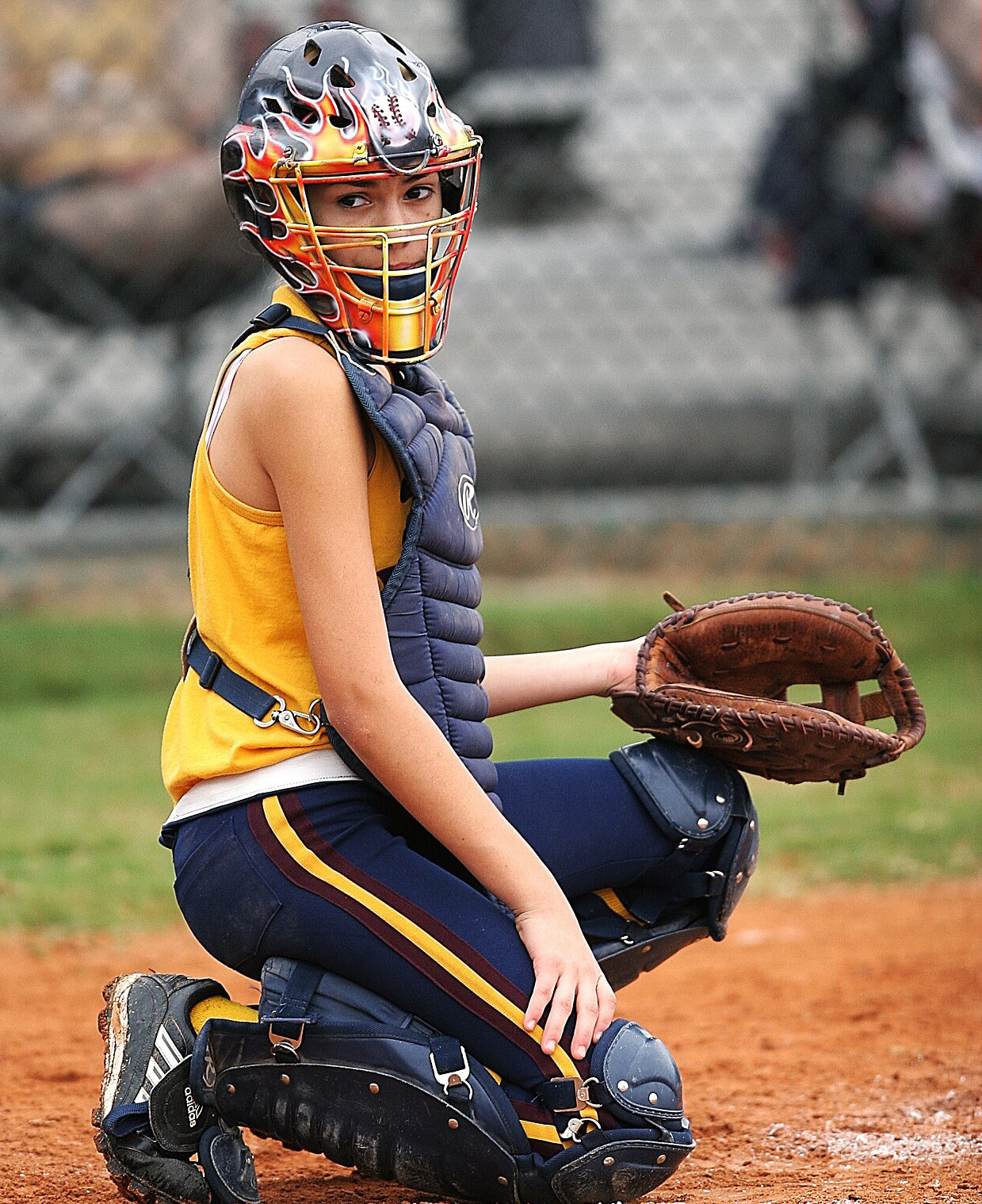
Softball: The professional women’s softball landscape in 2026 features two key entities: the Athletes Unlimited Softball League (AUSL) and the Professional Softball League (PSL).
Backed by MLB, AUSL launched in June 2025 with a mission of providing a new opportunity for the world’s best players to compete professionally. The league currently features six teams and Opening Day for the 2026 season is slated for June 9. The AUSL recently announced a multiyear media rights extension with ESPN, which will carry 47 regular-season games, as well as the AUSL Championship (with Game 1 on ABC).
PSL has seven teams with 20-player rosters and will throw out its first pitch this June. Broadcast exclusively on All Women’s Sports Network (AWSN), games are set to be on major platforms such as Amazon Prime, Pluto TV and DirecTV.
Ice Hockey: The Professional Women’s Hockey League (PWHL) dropped the puck for the first time in January 2025 and has now expanded to eight teams (four each from the U.S. and Canada), each with 23 roster spots. Although new on the scene, the league has already amassed an impressive list of partners and sponsors, among them Canadian Tire, Air Canada, Aveeno, Barbie (yes, as in dolls), Bauer, CCM, Doordash, Fanduel, Gatorade, Hyundai, UPS and others.
Lacrosse: The Women’s Lacrosse League (WLL), was launched by the Premier Lacrosse League in 2024 and consists of four charter franchises based in high-viewership lacrosse markets. The WLL is a critical component of the preparation for lacrosse’s return to the Olympics at the Los Angeles 2028 Summer Games.
Rugby: Women’s Elite Rugby (WER) is the first women’s professional rugby league in the U.S. It was founded in 2024 and launched its inaugural season in 2025 with six professional teams featuring 180 athletes. In February, the league announced a media partnership with The Women’s Sports Network (WSN), the FAST Studios-backed, women’s-only channel. Through the agreement, WSN will serve as “The Home of WER” for the 2026 season.

The Bucks Start Here
The recent boom in women’s pro leagues demonstrates that investing in the professionalization of women’s sports is a savvy business decision. These emerging leagues are attracting major sponsorship investment by offering unique audience demographics, digital footprint and reach and brand affinity and awareness. Plus, accessible price points allow companies to become league title sponsors.
And there is little doubt that being an early adopter of a women’s sports league makes a lasting imprint on fans, which fuels brand affinity. In fact, with eyeballs being a top metric for sponsors, more sponsorship money is poised to enter the women’s sports realm as viewership and media attention increase and as individual stars boost their fanbases.
Global management firm McKinsey & Company reports that one of the main indicators that women’s sports have gained traction is the value that rights holders have attained in the past few years for their media rights.
“Viewership growth in women’s sports has attracted higher bids for media rights from major U.S. media companies,” states McKinsey. “The WNBA’s new $200 million AAV deal, which takes effect in 2026, is more than triple its $60 million AAV deal from 2023 to 2025, outpacing the NBA’s renewal rate by 2.6 times. And ESPN’s latest deal with NCAA women’s basketball was 10 times more costly than its previous 14-year deal, which expired in 2024.”
“The women’s sports landscape is shifting dramatically,” says Eric Kutcher, McKinsey & Company’s chair of North America. “Our latest research reveals that the U.S. women’s sports market is projected to grow to $2.5 billion by 2030, representing a 250 percent increase from 2024.” He believes the key drivers are surging fandom, record-breaking viewership, and increasing investment from sponsors.

Looking Ahead
The next step for women’s team sports is to continue to expand opportunities for all ability levels. While the upcoming 2028 Summer Olympics in Los Angeles will help bring additional exposure to many of these sports and athletes, there is still plenty to be done into the foreseeable future.
“The total U.S. sports market (both men’s and women’s) was $75 billion in 2024, meaning that the revenues generated by women’s sports today represent less than two percent of the total U.S. sports market — this despite the rapid ascendence of women athletes as top brands themselves and a large and growing fan base.
“The next frontier of growth for women’s sports will be closing this monetization gap and realizing the sector’s full potential as a high-revenue market,” according to McKinsey.
“The growth we’re seeing in girls’ and women’s sports is being fueled by several factors: expanded opportunities to play, efforts to remove participation barriers and increased visibility through media and social platforms,” says SFIA’s Karn. “As professional leagues grow and major global sporting events come to the U.S. over the next decade, we believe that momentum will continue to inspire the next generation of female athletes.”



.svg)